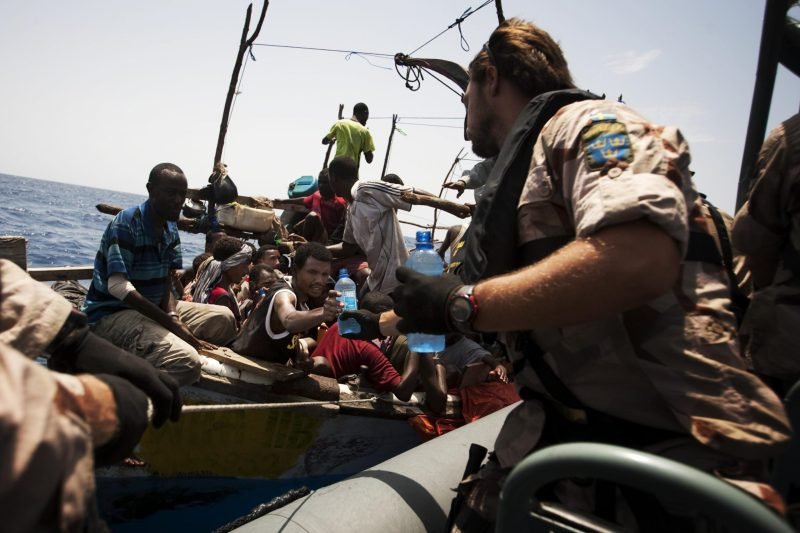
In a significant escalation of maritime tensions, Somalia has announced new directives targeting vessels using Somaliland’s waters. This move appears to be part of a broader strategy to assert control over the territory that has operated independently since 1991, a move that may further complicate relations with both Somaliland and neighboring Ethiopia.
New Directives and their Implications
According to a statement from Somalia’s government, all ships entering Somali waters must now display the Somali flag. This directive will inevitably increase friction between the federal government of Somalia and Somaliland, which has long declared its sovereignty and independence. Somaliland operates its own governance system and considers itself distinct from Somalia, a fact the Somali government seems unwilling to acknowledge.
The directives imply greater monitoring and control of Somaliland’s waters. Furthermore, authorities in Mogadishu view this policy as a crucial step towards implementing sanctions against Somaliland and enhancing national security compliance under Somali law. This move has sparked widespread concern in Somaliland, prompting a strong response from its president, Muse Bihi Abdi, who rejected the claims of authority made by the Somali government.
The ongoing tension stems from a series of historical grievances and power struggles. Since declaring independence from Somalia in 1991, Somaliland has been working to establish itself as a stable and democratic state in stark contrast to the instability that has plagued Somalia. Somaliland’s leadership perceives Somalia’s actions as an infringement on its sovereignty and an attempt to undermine its achievements in governance and security.
President Bihi’s recent remarks highlight the sentiment in Somaliland, emphasizing that the government will not entertain what he termed “empty threats” from Mogadishu. He signaled Somaliland’s readiness to confront any challenges posed by Somalia, subtly pointing to the historical failures of the Somali central government in maintaining security, even in its capital, Mogadishu.
Complicating matters further is Somalia’s recent agreement with Turkey to bolster its maritime security over the next decade. This partnership aims to enhance Somalia’s control over its coastal waters but raises concerns in Somaliland regarding the legitimacy of foreign intervention in what they regard as their maritime domain.
Somaliland’s foreign minister, Dr. Isse Kayd, has voiced strong opposition to these developments, underscoring the republic’s commitment to its sovereignty amid Somalia’s internal turmoil and the persistent threat posed by groups like Al-Shabaab. He asserts that Somaliland stands as a model of stability and democratic governance, warranting respect and recognition from both regional partners and the international community.
The Ethiopian Connection
The impact of these maritime directives extends beyond Somaliland and Somalia, particularly concerning Ethiopia. Ethiopia, a landlocked nation of over 110 million, regards access to the sea as vital for its economic development and has engaged in an MOU with Somaliland to gain access to its waters. This agreement has become a point of contention for Somalia, which seeks to undermine such accords and reassert its claims over maritime territories.
Ethiopian Foreign Minister Taye Atskeselassie has reiterated the significance of the sea access issue, highlighting that Ethiopia’s growth relies heavily on maritime routes. The interplay between these three regions—Somalia, Somaliland, and Ethiopia—reflects a complex web of interests, sovereignty claims, and regional stability.
The recent directives by Somalia signify a dramatic pivot in the longstanding tensions between the federal government and Somaliland. As maritime claims and national security concerns unfold, both nations must navigate a complicated landscape marked by historical grievances, international alliances, and regional stability. Without constructive dialogue and mutual recognition, the risks of escalation remain high, potentially strifling prospects for peace and cooperation in the Horn of Africa.
Engagement from international stakeholders and regional players will be crucial in facilitating a pathway toward resolution that honors Somaliland’s aspirations for self-determination while addressing Somalia’s concerns of national sovereignty and security.