Netanyahu does not need to win the most votes—he needs 61 lawmakers. Israel’s election may reject him politically while leaving him in office institutionally.
Israel’s 61-Seat Reckoning
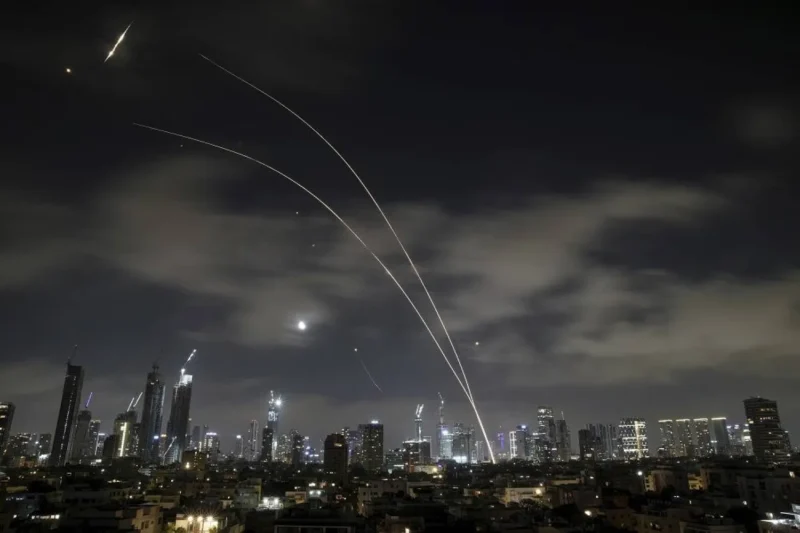
Israelis are voting in an election that will determine more than whether Benjamin Netanyahu remains prime minister. The ballot is also a judgment on the security failures of October 7, the wars that followed, the power of the religious right and Israel’s increasingly strained international position.
Yet even a strong verdict from voters may not produce a functioning government.
Netanyahu’s record is both asset and liability
Netanyahu is campaigning as the leader who confronted Hamas, Hezbollah and Iran while maintaining a close relationship with U.S. President Donald Trump. His argument is familiar: Israel faces extraordinary threats and cannot afford inexperienced leadership.
His opponents point to the other side of that record. The Hamas-led attack of October 7, 2023 occurred under Netanyahu’s government. They also cite the prolonged Gaza war, growing diplomatic isolation, continuing corruption proceedings—which Netanyahu denies—and his dependence on ultranationalist coalition partners.
Former military chief Gadi Eisenkot has emerged as Netanyahu’s principal challenger. He promises a formal investigation into the October 7 failures, stronger state institutions and a more disciplined security strategy. But Eisenkot is not offering a dramatic break with Israel’s security consensus. He also opposes Hamas rule and has not embraced an unrestricted path to Palestinian statehood.
The contest is therefore not simply between war and peace. It is between different approaches to power, accountability and the management of permanent conflict.
The decisive number is 61
Israelis elect parties to the 120-member Knesset rather than choosing the prime minister directly. A viable government requires the support of at least 61 lawmakers.
Pre-election polling suggested that neither Netanyahu’s bloc nor the opposition possessed a reliable majority. Smaller parties—and especially those hovering around the 3.25 percent electoral threshold—could therefore determine the result.
Arab-led parties may hold enough seats to influence coalition formation, although both Netanyahu and Eisenkot have ruled out formally governing with them. External support or abstention could nevertheless become decisive if the opposition approaches a majority.
Netanyahu’s strongest route back to office may again require Itamar Ben-Gvir, Bezalel Smotrich and the ultra-Orthodox parties. That would preserve the coalition forces behind settlement expansion, resistance to Palestinian statehood and exemptions from military service for many ultra-Orthodox men.
Eisenkot faces a different problem: assembling secular nationalists, centrists and the fragmented left without losing right-wing partners whose support he needs.
Winning votes may not mean winning power
Exit polls will offer the first indication of the balance, but they will not select the next prime minister. Official results are expected on November 4. President Isaac Herzog will then consult the parties and assign coalition formation to the politician considered most likely to command a majority.
Negotiations could last six weeks or longer. If neither camp reaches 61 seats, Israel could return to another election while Netanyahu remains caretaker prime minister. Israel experienced five elections between 2019 and 2022, demonstrating how institutional deadlock can preserve an incumbent without granting him a decisive mandate.
WARYATV Assessment
Netanyahu’s immediate survival depends less on whether Likud finishes first than on whether his allies collectively cross 61 seats. Eisenkot could outperform him and still fail to form a government.
A Netanyahu victory would reinforce Israel’s security-first posture and preserve the far right’s influence over the West Bank, Gaza and relations with Washington. An opposition government could restore greater institutional restraint and improve relations with Western partners, but it would not automatically transform Israel’s policies toward Iran, Hamas or Palestinian statehood.
The greatest possibility is also the least dramatic: another inconclusive result. Israel may vote against Netanyahu without producing a coalition capable of replacing him.