President Irro is back from Washington and the UAE. The political question now is whether access abroad will produce measurable results at home.
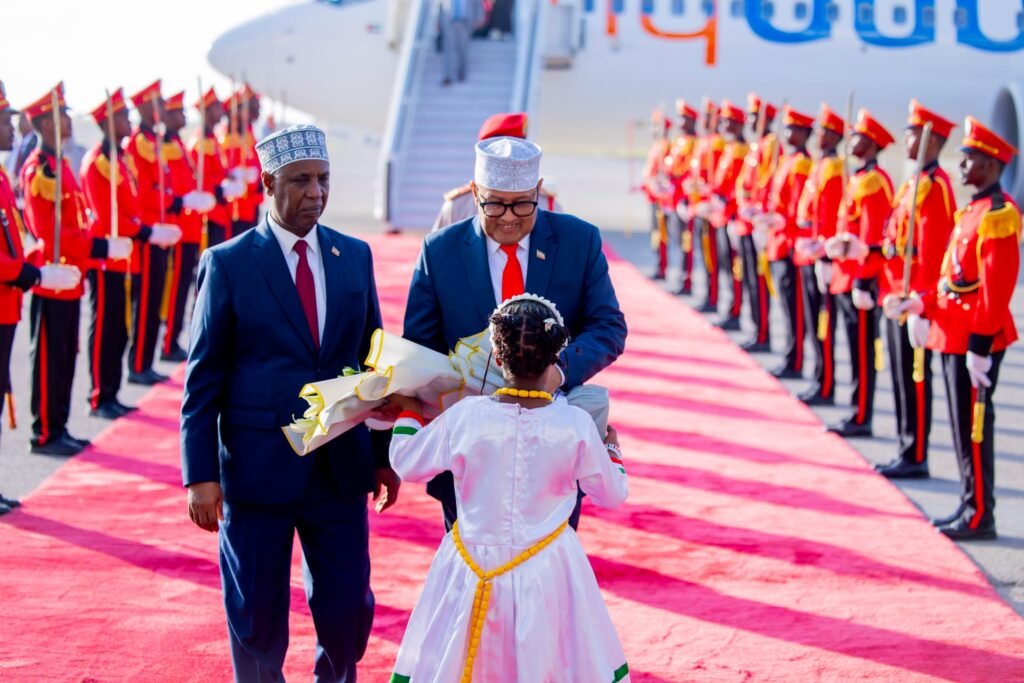
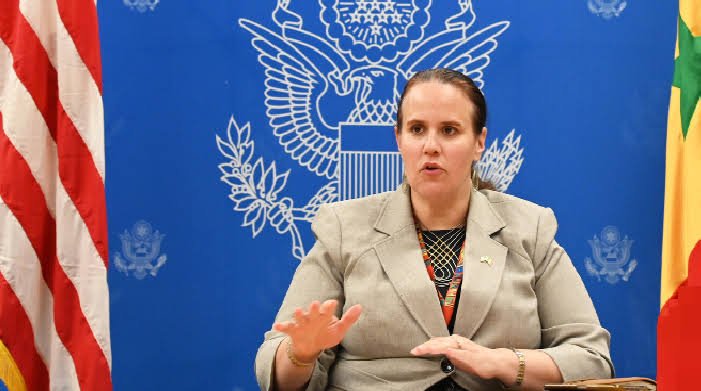
Somaliland President Abdirahman Mohamed Abdullahi Irro returned to the country on Thursday after official working visits to the United States and the United Arab Emirates, concluding a diplomatic tour his government says was intended to advance Somaliland’s political and economic interests.
According to the Somaliland presidency, the visits formed part of Irro’s continuing effort to strengthen diplomatic relations, expand international cooperation and build partnerships around Somaliland’s strategic priorities.
A diplomatically significant tour
The United States and the UAE occupy different but complementary positions in Somaliland’s foreign policy.
Washington remains important to Somaliland’s campaign for greater international engagement, security cooperation and eventual recognition. The UAE, meanwhile, is already one of Somaliland’s most consequential economic partners through its involvement in Berbera Port and the wider trade corridor connecting Somaliland with Ethiopia.
Engagement with both countries therefore gives Hargeisa opportunities to advance several priorities: recognition, maritime security, foreign investment, infrastructure development and the international positioning of Berbera.
The presidential statement said the visits created opportunities to promote Somaliland’s political and economic interests. However, it did not provide a detailed public account of agreements signed, officials met, investment commitments secured or formal diplomatic mechanisms established.
The next test is measurable delivery
High-level foreign travel can open doors, but its value ultimately depends on what follows.
The Irro administration should now publish a structured report identifying the objectives of the journey, the institutions engaged and the commitments—or continuing negotiations—that resulted from it. Commercially or diplomatically sensitive information can remain confidential, but the public should receive enough information to evaluate the trip’s importance.
Priority questions include whether the United States agreed to deepen direct engagement with Hargeisa, whether discussions advanced a separate travel advisory for Somaliland, and whether security cooperation around Berbera and the Gulf of Aden moved beyond general political support.
On the UAE side, the government should clarify whether talks addressed new investment, the Berbera Corridor, the economic zone, energy projects or expanded trade access.
WARYATV Assessment
President Irro’s visits placed Somaliland before two highly influential partners at a moment when Red Sea security and Horn of Africa geopolitics are attracting increased international attention.
That access matters—but access is not yet an outcome.
The administration’s immediate task is to convert diplomatic conversations into an implementation programme with responsible ministries, deadlines and publicly measurable objectives. Without that next step, supporters will describe the tour as historic while opponents dismiss it as ceremonial.
Somaliland’s foreign policy will be judged less by the number of meetings conducted abroad than by the investment, institutional relationships and diplomatic commitments that eventually arrive at home.