The Mecca Defence Pact Faces Its First Military Test
Pakistan has not declared war on Yemen’s Houthis. But Defence Minister Khawaja Asif has said enough to make that possibility credible—and credibility could either deter a wider conflict or pull Islamabad into one.
Asif said continued, unprovoked attacks on Saudi Arabia could activate the Mecca Joint Defence Agreement linking Pakistan, Saudi Arabia and Turkey. Pakistan, he insisted, is bound by the pact and would honour it if necessary.
That is not an operational order, deployment announcement or confirmation of planned airstrikes. It is a warning that the Houthi campaign may no longer be treated as a bilateral Saudi-Yemeni confrontation.
A treaty meets its first test
The warning follows a sharp escalation. Saudi authorities say Houthi missiles and drones have threatened cities, energy infrastructure and military facilities. An attack in southern Saudi Arabia reportedly wounded at least 73 people. Riyadh also said it intercepted a drone south of Mecca, while the Houthis denied targeting the holy city.
Saudi Arabia subsequently reported intercepting a ballistic missile aimed at Riyadh. These claims require careful attribution because both sides are conducting information warfare alongside military operations.
The verified strategic reality is that Saudi air defences are under sustained pressure. Riyadh has approached several partners for assistance as its stocks of missile interceptors tighten. Turkey has separately signalled readiness to meet Saudi military requirements under the agreement.
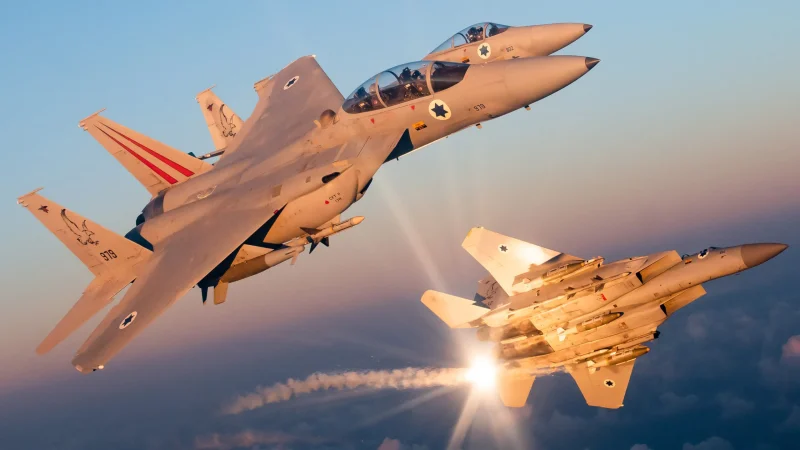
The pact’s credibility therefore depends on whether political promises produce usable capabilities: air-defence systems, surveillance, technical crews, intelligence support—or, at the highest level, combat aircraft.
Pakistan can contribute without immediately bombing Yemen. That ambiguity gives Islamabad room to reinforce Saudi defences while attempting to prevent direct intervention.
Islamabad’s dangerous balancing act
Saudi Arabia is a major economic and strategic partner for Pakistan. But direct war against the Iran-aligned Houthis would impose exceptional costs.
Pakistan shares a long, insecure border with Iran, confronts militancy inside Balochistan and has a substantial Shia population. Joining the conflict could inflame sectarian tensions, invite pressure from Tehran and stretch armed forces already managing serious domestic security threats.
History also matters. Pakistan declined to participate directly in the Saudi-led Yemen intervention in 2015 after parliament supported neutrality. The new defence agreement changes the diplomatic calculation, but it does not erase domestic political constraints or automatically determine what military assistance Islamabad must provide.
Pakistan is consequently attempting armed diplomacy: making its commitment sufficiently credible to discourage further Houthi attacks while retaining space for mediation and limited defensive support.
The Red Sea consequence
The danger extends beyond Saudi territory. Pakistani or Turkish intervention could trigger heavier Houthi attacks around Bab el-Mandeb and against regional energy infrastructure.
That would force more commercial shipping away from the Red Sea, increasing voyage times, insurance premiums and fuel costs. Import-dependent economies across the Horn of Africa would experience the consequences through higher food and energy prices—regardless of whether their governments were involved in the conflict.
WARYATV Assessment
Pakistan’s statement should be understood as a deterrent warning, not proof that it has joined the war.
Islamabad wants the Houthis and Iran to believe Saudi Arabia is not isolated. But every subsequent attack increases pressure to demonstrate that the Mecca agreement has military meaning.
Pakistan now faces a credibility trap. If it does nothing, the defence pact risks appearing hollow. If it attacks Yemen, it inherits a conflict without a clear military exit and exposes itself to Iranian retaliation and domestic instability.
The next decisive evidence will not be another statement. It will be the movement of Pakistani air-defence units, aircraft, intelligence assets or military personnel.