Ceasefire Shaken: Iran Fires Back as Israel Weighs Major Retaliation
The ceasefire may still be alive, but Sunday’s missiles show how quickly the region could slide back toward a wider war.
The fragile ceasefire between Israel and Iran faced its most serious test yet on Sunday after Iran launched missiles toward northern Israel, marking Tehran’s first direct attack since April and raising fears that the region could be pulled back into a broader conflict.
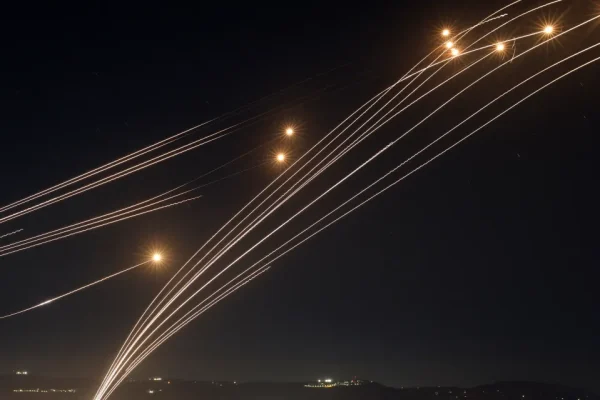
Air raid sirens sounded across northern Israel as the missiles approached. Israeli military officials said the Air Force successfully intercepted all incoming projectiles, and no casualties were immediately reported. Authorities nevertheless canceled school activities across parts of the country as a precaution against additional attacks.
The missile launch came hours after Iran threatened retaliation for an Israeli strike in Beirut. Israel said the Beirut operation targeted Hezbollah positions after the Lebanese militant group allegedly violated a U.S.-brokered ceasefire agreement that took effect earlier this month.
The attack places Israeli leaders in a difficult position. Officials have already indicated that a response is coming, but the scale and timing remain under discussion. Israeli security sources suggest that the limited nature of Iran’s missile attack could influence decision-making in Jerusalem.
If Tehran’s action is confined to a small number of missiles, causes no casualties, and is not followed by additional waves, Israeli leaders may seek a calibrated response designed to restore deterrence without triggering a wider regional escalation. However, any direct Iranian strike on Israeli territory is likely to be viewed as a serious breach of ceasefire understandings.
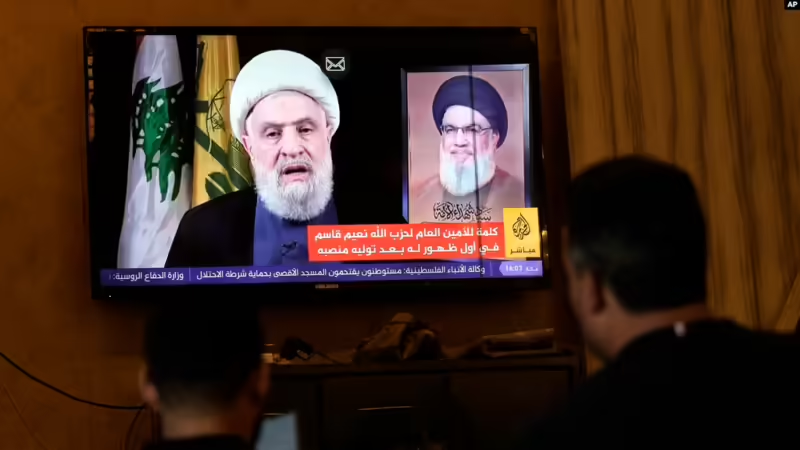
The political symbolism was immediate. Iranian Foreign Minister Abbas Araghchi posted an image featuring Iranian and Lebanese flags shortly after the missiles were launched, signaling Tehran’s continued alignment with Hezbollah and its intention to frame the confrontation as part of a broader regional struggle.
For Israel, the incident reinforces concerns that Iran remains willing to use its network of regional allies and direct military pressure to shape events despite ongoing diplomatic efforts. For Tehran, the strike appears intended to demonstrate that Israeli actions in Lebanon will carry consequences.
The broader strategic question now is whether both sides view Sunday’s exchange as a limited warning or the beginning of a new escalation cycle.
After months of war, mounting casualties, economic disruption, and repeated international efforts to secure stability, neither Israel nor Iran appears eager for a return to full-scale conflict. Yet the latest missile exchange underscores how thin the margin for error remains.
The coming hours are likely to determine whether this becomes a brief violation of an uneasy truce—or the opening salvo of another dangerous phase in the Middle East conflict.