Israeli Prime Minister Defends Joint Strikes, Says Action Was Needed Before Iran’s Nuclear Sites Became Untouchable.
“Quick and decisive,” Netanyahu says. But how short is short in the Middle East?
Israeli Prime Minister Benjamin Netanyahu insists the expanding confrontation with Iran will not become an open-ended war, even as regional tensions intensify following joint U.S.-Israeli strikes.
In an interview with Fox News broadcast Monday, Netanyahu described the campaign as necessary and time-sensitive, arguing that Israel and the United States had acted before Iran’s nuclear infrastructure became effectively immune to attack.
“You’re not going to have an endless war,” Netanyahu said. “This is going to be a quick and decisive action.” He later acknowledged the operation “may take some time,” but added that it would not stretch into years.
Netanyahu’s central claim rests on intelligence assessments that Iran had begun constructing new underground nuclear and missile facilities following the brief but intense 12-day conflict in June, when coordinated U.S. and Israeli strikes targeted Iranian assets.
According to Netanyahu, those new sites — including hardened bunkers — would soon have placed Tehran’s ballistic missile and nuclear programs beyond reach. “If no action was taken now, no action could be taken in the future,” he said.
Iran has consistently denied pursuing nuclear weapons, maintaining that its program is for civilian energy purposes. However, Israeli leaders have long argued that enrichment capabilities and missile development together create a credible weapons pathway.
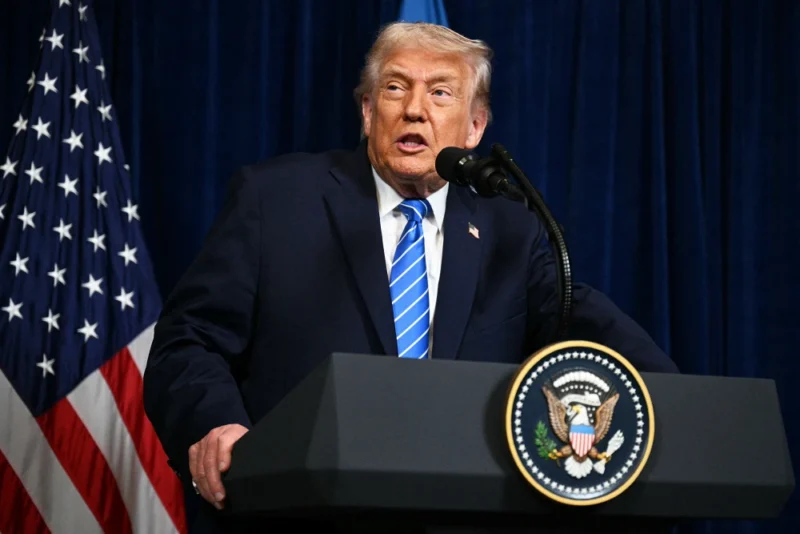
The remarks come as U.S. President Donald Trump has offered shifting timelines for the duration of hostilities. Trump recently suggested the war could continue for more than four weeks, reflecting uncertainty about how Iran and its regional allies may respond.
Military exchanges have already widened beyond Iranian territory, with retaliatory missile and drone attacks affecting Gulf states and disrupting airspace and shipping lanes.
Netanyahu’s insistence on a finite campaign appears aimed at reassuring both Israeli citizens and international partners wary of another protracted regional war. Yet conflicts in the Middle East have repeatedly defied early predictions.
Whether this operation remains contained — or evolves into a broader confrontation — will depend largely on Tehran’s next moves and Washington’s appetite for escalation.
For now, Israeli leadership is framing the campaign not as a long war of attrition, but as a preemptive strike designed to close what it sees as a narrowing strategic window.