A REPUBLIC HELD HOSTAGE: The Dangerous Collusion of Digital Agitators, SOLJA’s Blind Defenses, and Government Incompetence
An enemy does not always strike with tanks at your border; sometimes, they fire through the screens in our hands and the mouths of men we foolishly trusted.
Today, Somaliland stands at a perilous, critical crossroads. A relentless storm of social media poison is sweeping through our nation—a calculated campaign of noise, hysteria, and tribal division designed to rupture our hard-won peace.
But what makes this threat so terrifyingly dangerous is not just the external adversaries pulling the strings. It is the shameful, criminal silence of our intellectual elite, the absolute breakdown of our media ecosystem, and the total, unpardonable paralysis of our government.
Look at who is driving the public narrative today: self-appointed traditional leaders, opportunistic poets, clout-chasing singers, and digital agitators. These individuals have manufactured titles and positions out of thin air, leveraging online visibility to spread chaos and tribal chauvinism.
Intelligence experts recognize this pattern for what it truly is: classic hybrid warfare. As Somaliland’s diplomatic footprint expands across global corridors, our enemies have abandoned traditional battle lines to wage a covert war of attrition inside our borders.
By bankrolling impressionable cultural icons, internet creators, and greedy elders, hostile foreign entities are remote-controlling our public narrative—outsourcing the destruction of our republic to domestic traitors for pennies on the dollar.
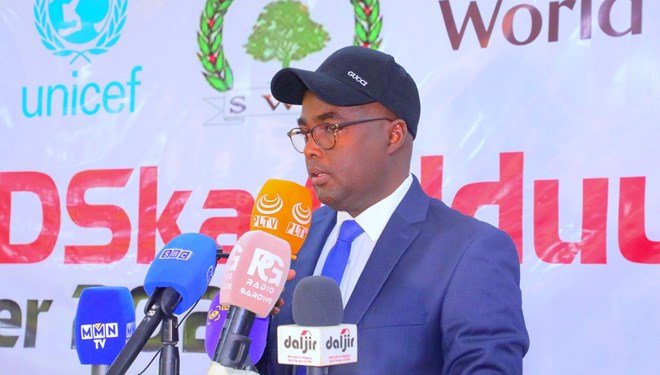
Yet, every single time an individual holding a smartphone and a lapel mic gets picked up by security forces, the Chairman of the Somaliland Journalists Association (SOLJA), Shafi Mohamed Ibrahim, rushes to the nearest camera to cry foul about press freedom.
This predictable circus is precisely why Somaliland lacks a respected journalists association—operating instead as a protection ring for untrained clout-chasers.
The core issue in our media landscape is glaring: anyone with a mobile phone, a cheap microphone, and a TikTok account now self-identifies as a journalist. They operate without basic media ethics, verification, or public accountability.
What is the actual purpose of a professional Journalists Association? A legitimate body exists to uphold rigorous standards, enforce strict codes of ethics, build institutional credibility, and separate real investigative reporters from mercenary content creators. It should filter out noise, train practitioners, and ensure the press serves the public interest with truth and integrity.
Instead, what has Shafi Mohamed Ibrahim done to counter the rampant spread of fake news and digital extortion in Somaliland? Absolutely nothing.
An overwhelming majority of these so-called journalists operate as paid mercenaries. They walk up to politicians, business figures, or clan elders, turn on a camera, ask zero critical questions, and publish unverified propaganda for a quick payout on Facebook and TikTok.
This is not journalism; it is digital extortion and sponsored noise. Yet, SOLJA and its chairman rush to defend every single one of these actors under the banner of press freedom the moment law enforcement steps in.
When SOLJA issues statements demanding that “journalists” defy CID summons without court warrants—accompanying individuals like Abdikani Hussein Abokor (Wariye Baylood) to investigation headquarters—they miss the entire point.
By shielding anyone who owns a smartphone from basic legal scrutiny and professional standards, SOLJA actively undermines the credibility of real Somaliland journalists who risk their safety to report genuine facts.
If Shafi Mohamed Ibrahim spent half the energy building a regulated, accredited, and ethical media environment that he currently spends defending reckless social media operators, Somaliland’s press would command absolute respect.
Until SOLJA cleans its own house, establishes clear professional qualifications, and stops treating Facebook monetization as journalism, its cries about illegal detentions will fall on deaf ears.
While the collapse of professional media ethics is obvious on social media, ultimate accountability rests on the doorstep of the state itself. The Somaliland Ministry of Information sits on massive public budgets, modern broadcasting infrastructure, and vast national resources, yet it remains completely blind to the core purpose of a modern strategic media apparatus.
Instead of building a sophisticated narrative defense system to protect the republic from hostile digital warfare, the government has treated state media as a reward program for tribal loyalty and political favors.
By appointing clan functionaries and illiterate loyalists to lead critical information organs rather than trained, strategic media professionals, the government has willingly paralyzed its own voice.
When a crisis erupts, the Ministry of Information offers nothing but slow, bureaucratic statements while digital mercenaries, rogue elders, and state-sponsored agitators dominate public discourse.
The government cannot demand that social media users act responsibly when its own communications sector is run by individuals who do not understand media warfare, digital strategy, or public psychology.
We cannot build a modern powerhouse on the rotten foundation of clan warfare, media extortion, and government incompetence.
The era of turning a blind eye is over. The government must step up immediately to enforce the law, overhaul the Ministry of Information, purge clan patronage from state media, and select qualified professionals to direct national strategy.
The Media Mafia and the Plastic Hat War on Somaliland’s State Authority
Somaliland’s Diplomatic Path: A Strategic Vision Beyond Social Media
Horn of Africa: How Social Media Ignites a Geopolitical Powder Keg