A deadline. A warning. And a region on edge. What happens Tuesday could reshape the war.
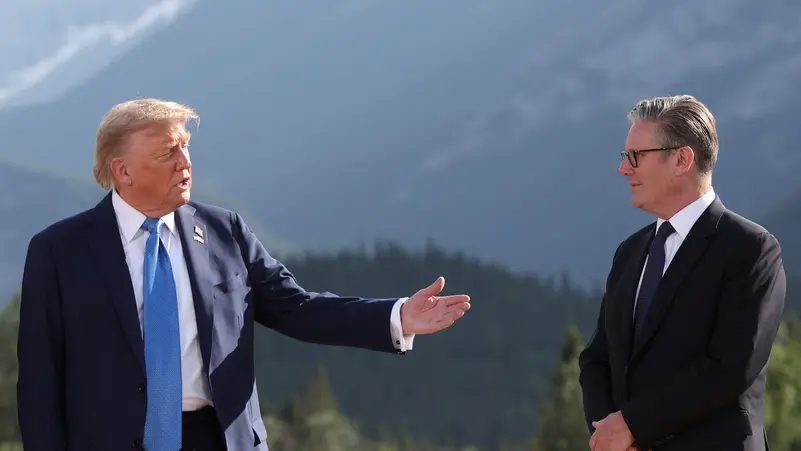
TEHRAN / WASHINGTON — The war rhetoric between Iran and the United States escalated sharply on Sunday, with Mohammad Bagher Ghalibaf warning that the entire Middle East could “burn” if tensions continue to spiral, just as Donald Trump set a firm deadline for Iran to reopen the Strait of Hormuz.
In a public message directed at Trump, Ghalibaf accused Washington of pushing the region toward catastrophe, saying the U.S. president’s “reckless moves” risk dragging both countries—and their allies—into a broader and more destructive conflict. He also criticized Trump for aligning closely with Benjamin Netanyahu, arguing that the current trajectory would destabilize the entire region.
“The whole region is going to burn,” Ghalibaf wrote, framing Iran’s position as a defensive response to external pressure and calling instead for recognition of Iranian rights and an end to escalation.
The warning came as Trump raised the stakes with a new ultimatum. In an interview, he said Iran has until Tuesday evening to reopen the Strait of Hormuz—a critical global energy chokepoint—or face direct U.S. strikes on key infrastructure.
“If they don’t do something by Tuesday evening, they won’t have any power plants and they won’t have any bridges standing,” Trump said, signaling a potential shift toward targeting assets with significant civilian impact.
He later reinforced the message in a brief social media post: “Tuesday, 8:00 P.M. Eastern Time!”
The exchange highlights a rapidly narrowing window for de-escalation.
At issue is the Strait of Hormuz, through which a substantial portion of the world’s oil and gas flows. Iran’s effective closure of the route since late February has triggered sharp increases in energy prices and intensified global concern over supply disruptions.
The confrontation now reflects more than a military standoff—it is a strategic test of resolve on both sides.
Iran appears to be leveraging the blockade as a pressure tool, while the United States is signaling willingness to escalate beyond military targets into economic and infrastructure warfare. That shift raises the risk of a wider regional conflict, especially as allied states and non-state actors remain on high alert.
The immediate question is whether either side steps back before the deadline.
The broader concern is what happens if neither does.