In central Israel, sirens cut through the night again—brief, urgent, familiar. Within minutes, reports followed of missile impacts and minor injuries. Hours earlier, oil markets had already reacted, surging on the expectation that the conflict is far from contained.
Across the Middle East, the war is no longer defined by a single front. It is spreading—militarily, economically, and diplomatically—into a layered confrontation with no clear endpoint.
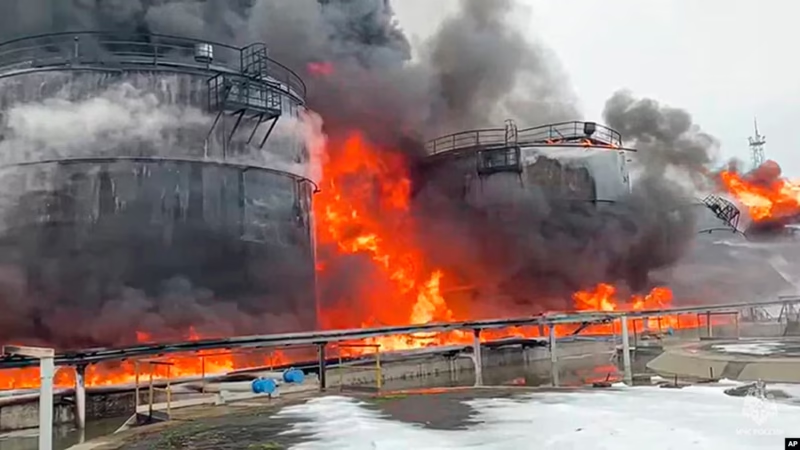
The most immediate pressure point remains the Strait of Hormuz. Even as Iran signals selective flexibility—pledging safe passage for Philippine-linked vessels—the broader blockade continues to choke global shipping. Oil prices have jumped sharply, with Brent crude climbing above $108 per barrel, reflecting both disruption and uncertainty.
By the third layer of the conflict, a pattern emerges: controlled escalation paired with strategic signaling. Iran allows limited transit to friendly states while maintaining overall leverage. The United States escalates military pressure while offering no defined timeline for resolution. Each move adjusts the balance without resolving it.
On the ground, the war’s footprint is widening. Hezbollah has launched drones and rockets toward northern Israel, while Iranian missile strikes continue to test Israeli air defenses. Meanwhile, U.S. warnings of potential militia attacks in Baghdad point to another possible front—one that could further fragment the battlefield.
Inside Iran, the signals are equally complex. Authorities confirmed the execution of an individual accused of collaborating with the United States and Israel, underscoring the regime’s internal security posture as pressure mounts externally. At the same time, Tehran condemned strikes on civilian infrastructure, including damage to the Pasteur Institute, framing the conflict as a broader assault on public health and sovereignty.
Diplomatically, divisions are sharpening. China has openly blamed Washington and Israel for triggering the Hormuz crisis, calling for an immediate halt to hostilities. In contrast, Western-aligned states remain focused on countering Iran’s actions while grappling with the economic fallout.
There are also growing questions among allies. Anthony Albanese publicly questioned what the war is now trying to achieve, suggesting that initial objectives may already have been met—without a clear plan for what comes next.
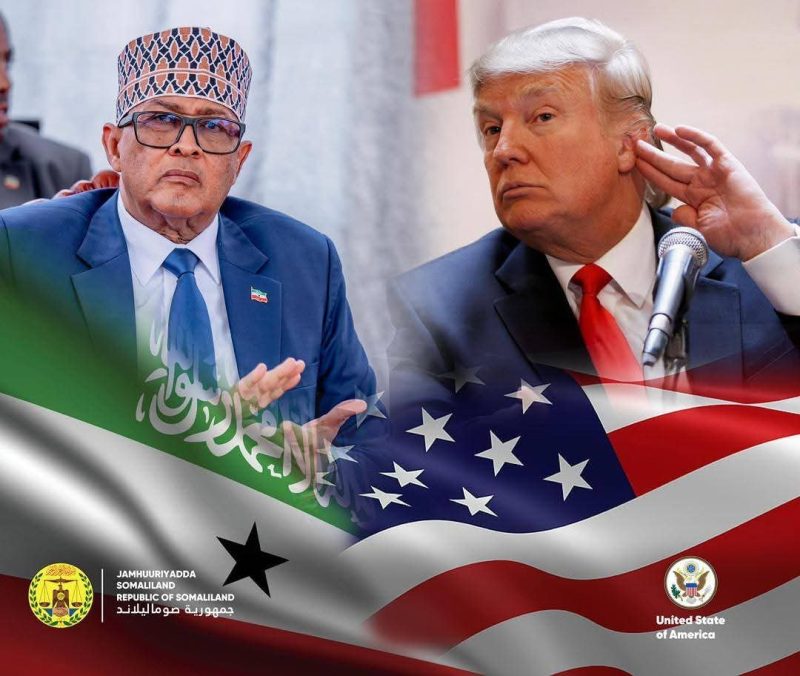
That uncertainty was evident in remarks from Donald Trump, who reiterated that the United States is “very close” to finishing the job while simultaneously promising additional weeks of intensified strikes. The contradiction—imminent success alongside continued escalation—has left markets and governments searching for clarity.
There are gray areas throughout this conflict. Iran denies restarting uranium enrichment despite accusations and prior concerns about its nuclear capabilities. Claims of decisive military gains coexist with ongoing attacks. Diplomatic assurances of safe passage sit alongside a de facto blockade.
What is taking shape is not a linear war, but a layered one—where military action, economic pressure, and political messaging move in parallel.
The strategic risk lies in how these layers interact. A missile strike triggers market volatility. A shipping disruption reshapes alliances. A diplomatic statement recalibrates expectations. None alone determines the outcome, but together they create a system that is increasingly difficult to control.
The longer this continues, the more the conflict shifts from decisive engagements to sustained pressure.
And in that environment, the defining question is no longer who is winning—but whether anyone involved can still define what “winning” means.