Two major powers step in as mediators. Can China and Pakistan stop a war shaking global energy?
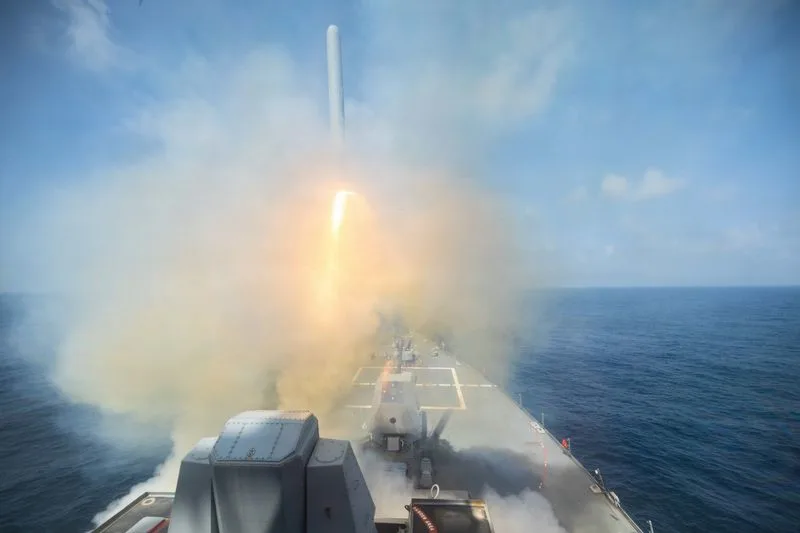
China and Pakistan have jointly called for an immediate ceasefire and the launch of peace negotiations to end the escalating war involving Iran, positioning themselves as key diplomatic actors as the conflict enters its fifth week.
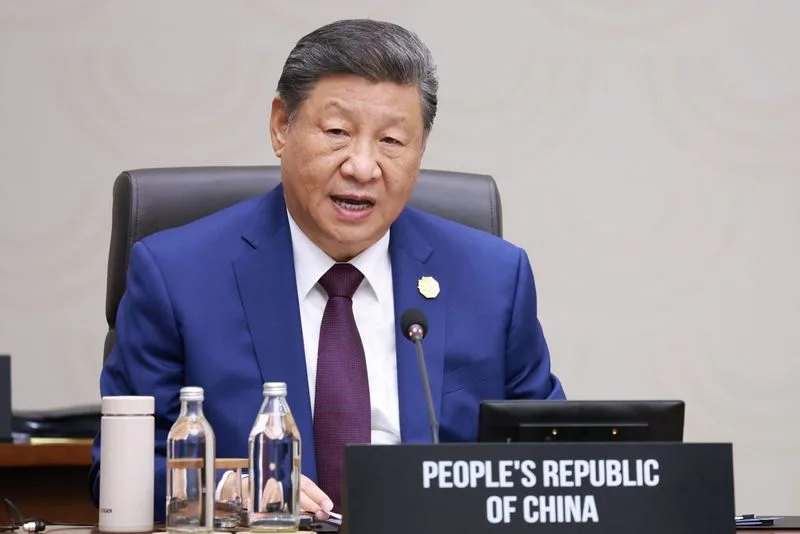
The appeal came during high-level talks in Beijing between Chinese Foreign Minister Wang Yi and his Pakistani counterpart Ishaq Dar. In a coordinated five-point initiative, both countries emphasized that dialogue—not military escalation—remains the only viable path to resolving the crisis.
Central to their proposal is the urgent need to restore stability in the Strait of Hormuz, where ongoing hostilities have severely disrupted global shipping and energy flows. The two sides called for immediate measures to ensure the safe passage of commercial vessels and to normalize navigation through one of the world’s most critical maritime chokepoints.
Pakistan’s role has become increasingly prominent. With a long border and established ties to Iran, as well as growing engagement with Washington, Islamabad has positioned itself as a rare intermediary capable of communicating with all sides.
Officials have indicated readiness to host or facilitate direct talks between the United States and Tehran, a diplomatic channel that has gained urgency as the conflict widens.
The joint statement also underscored broader principles aimed at stabilizing the region. Both countries called for the protection of civilian lives and infrastructure, respect for national sovereignty, and safeguards for peaceful nuclear facilities—signaling concern over the expanding scope of military targets.
For Beijing, the initiative reflects its strategic interest in preserving global trade routes and preventing further economic disruption. For Islamabad, it reinforces its emerging role as a regional mediator at a time when traditional diplomatic channels are strained.
The timing is critical. With the Strait of Hormuz partially restricted and energy markets under pressure, the stakes extend far beyond the Middle East. A prolonged disruption risks triggering wider economic consequences, particularly for Asian economies heavily dependent on Gulf energy supplies.
Whether this diplomatic push gains traction remains uncertain. But the entry of China and Pakistan into active mediation highlights a shifting dynamic: as Western military pressure intensifies, alternative power centers are stepping forward to shape the path toward de-escalation.