Israel Targets Iran’s Nuclear Infrastructure as War Expands and Markets React. From nuclear strikes to NATO tensions—this war is no longer contained.
The war between Israel and Iran escalated sharply after Israeli forces confirmed strikes on key nuclear infrastructure, signaling a new and more dangerous phase in the conflict.
According to Israeli officials, the targets included a uranium processing facility and a heavy water reactor—sites long viewed by Israel as central to Iran’s nuclear capabilities. Tehran acknowledged the strikes but said there were no radioactive leaks, leaving the true extent of the damage unclear.
The attack marks a strategic shift. By targeting nuclear-related facilities, Israel is moving beyond degrading military assets toward undermining Iran’s long-term strategic capacity—raising the stakes for both sides.
Israeli Defense Minister Israel Katz made the trajectory explicit, warning the campaign would “escalate and expand.” Yet inside Washington, the picture is less unified. Reports of friction between JD Vance and Benjamin Netanyahu highlight a growing divide over how far the war should go—particularly on the question of regime change in Tehran.
That tension reflects a broader uncertainty: no clear timeline exists for the war’s end.
On the battlefield, the conflict continues to widen. Iranian missile and drone strikes hit U.S. positions, injuring American troops at Prince Sultan Air Base in Saudi Arabia. In parallel, Israel intensified operations in Lebanon, targeting Hezbollah-linked sites, with civilian casualties reported.
Meanwhile, regional fault lines are deepening. Yemen’s Houthi movement has warned it could enter the war, raising fears of a second maritime choke point crisis near the Bab al-Mandab Strait—just as the Strait of Hormuz remains effectively closed.
The economic impact is already visible. Global markets fell sharply, with oil prices surging above $100 per barrel as supply fears intensified.
Investors are reacting not just to the fighting, but to the uncertainty surrounding it—what analysts describe as “diplomatic dissonance” between competing strategies in Washington and its allies.
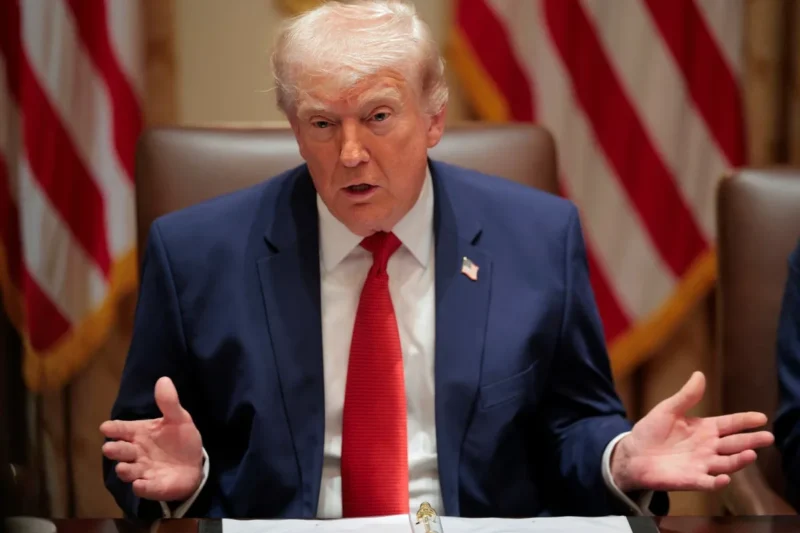
Even alliances are under strain. NATO faces new pressure after Donald Trump warned the U.S. may reconsider its commitments to members unwilling to support efforts to reopen the Strait of Hormuz. Behind the rhetoric lies a deeper shift: a more transactional approach to global security.
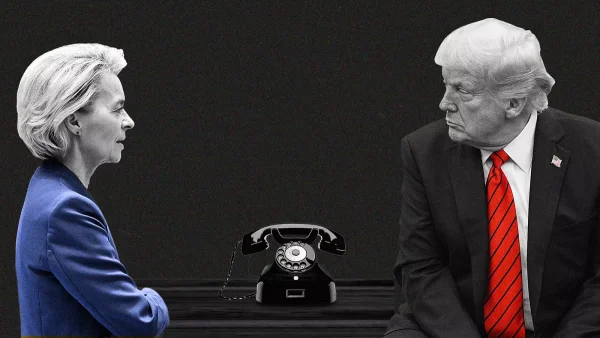
At the same time, negotiations remain murky. Trump claims talks with Iran are progressing; Tehran publicly denies direct engagement while quietly exchanging messages through intermediaries.
That contradiction captures the moment.
This is no longer a conventional war with clear fronts or predictable outcomes. It is a conflict stretching across airspace, sea lanes, financial markets, and diplomatic backchannels—all at once.
And as nuclear facilities become targets and global trade routes turn into battlegrounds, the central question is no longer whether the war will expand.
It is how far it will go—and whether diplomacy can catch up before escalation outruns control.