He once urged escalation—now he says “war is hell.” What changed in Washington?
Sen. Lindsey Graham is signaling a notable shift in tone on the Iran war, saying he now prefers a diplomatic resolution—even after previously advocating for aggressive military options.
In a public statement, Graham said he supports efforts by President Donald Trump to negotiate an end to the conflict, emphasizing that diplomacy would be the preferable path if it can achieve U.S. objectives.
“War literally is hell,” Graham wrote, adding that while he remains focused on limiting Iran’s nuclear and military capabilities, the method—military or diplomatic—is secondary to the outcome.
The comments come at a fragile moment in the conflict. The White House recently paused planned strikes on Iranian energy infrastructure for five days while floating a 15-point ceasefire proposal. Tehran, however, has publicly rejected the plan, even as indirect communication continues through intermediaries.
Graham’s position reflects a broader tension inside Washington: how to reconcile maximalist war aims with the mounting risks of escalation.
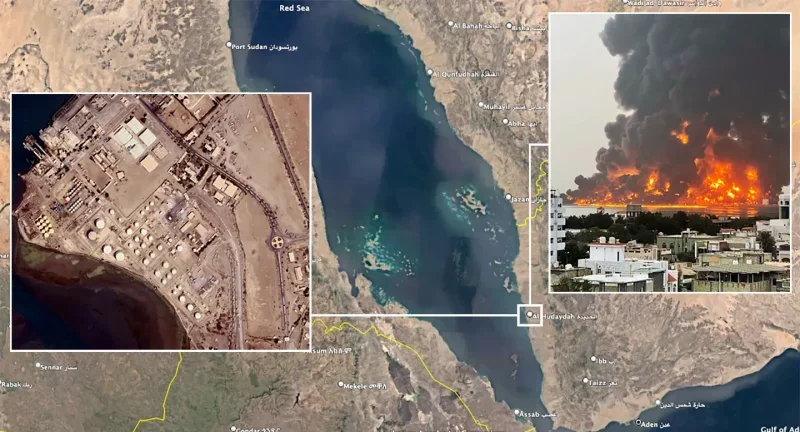
Until recently, the South Carolina senator had been among the most vocal advocates of expanding the war. He urged the U.S. to seize or blockade Iran’s Kharg Island—one of the country’s most critical النفط export hubs—arguing it would cripple Tehran’s economic lifeline.
That proposal drew sharp criticism from fellow lawmakers, including Rep. Anna Paulina Luna, who accused Graham of downplaying the human cost of military intervention and invoked the heavy casualties of past conflicts.
The exchange highlights a widening divide within U.S. political circles. While some officials argue that decisive military action could force Iran into submission, others warn that such steps risk triggering a broader regional war—with unpredictable consequences for global energy markets, U.S. forces, and civilian populations.
Graham’s recalibration does not signal a retreat from hardline objectives. He continues to call for a deal that eliminates Iran’s nuclear ambitions, halts its ballistic missile program, and ends support for regional proxies.
But his language now reflects a growing recognition of the stakes.
After weeks of escalating strikes, threats, and shifting red lines, even some of the war’s strongest proponents are acknowledging a reality long understood in strategic circles: once conflict expands beyond control, the cost is rarely contained—and rarely predictable.
In that sense, Graham’s pivot may be less about changing goals than confronting the limits of military power in a rapidly widening war.