This isn’t just a war with Iran. It may be the moment NATO starts to break from within.
The war unfolding around Iran is no longer just a Middle Eastern conflict. It has become a defining stress test for NATO—and for the broader idea of Western unity in an increasingly unstable world.
At the heart of the tension is a growing divide between Washington and its European allies. For decades, the transatlantic alliance rested on a simple understanding: the United States would lead, and Europe would align, even amid disagreements.
That assumption is now under visible strain. Major European powers—including Germany, France, the United Kingdom, and Spain—have declined direct involvement in the U.S.-Israeli campaign against Iran, signaling a shift that goes beyond tactical hesitation.
Their message is clear: this is not their war.
What makes this moment different is not just disagreement over strategy, but a deeper unease about how decisions are being made.
European officials have indicated that they were neither fully consulted nor presented with a coherent endgame. In alliance politics, that matters. When a leading power initiates a high-risk conflict and then seeks support after the fact, the structure begins to resemble hierarchy rather than partnership.
That perception carries consequences. If allies believe they are being asked to absorb risks without influence, they are more likely to distance themselves—not out of defiance, but self-preservation.
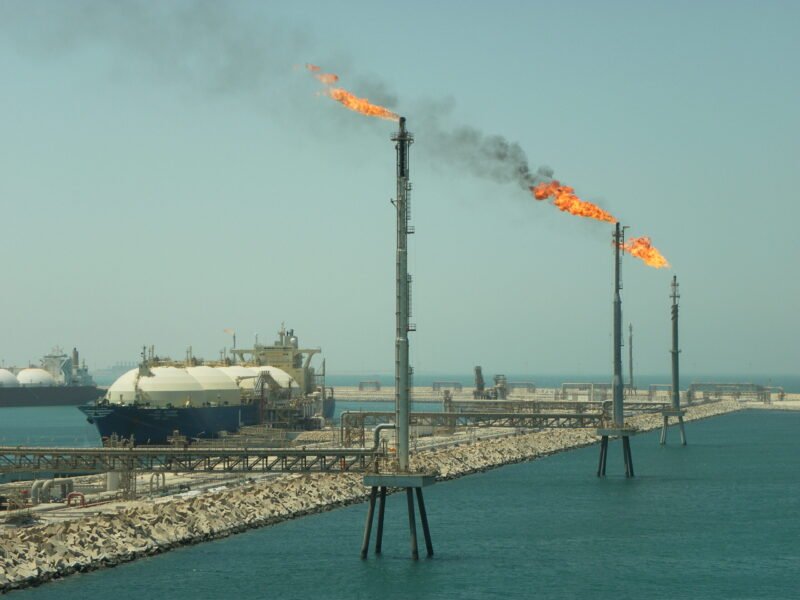
The economic dimension reinforces that caution. The Strait of Hormuz, now under heightened tension, is a critical artery for global energy flows. Any sustained disruption reverberates far beyond the Gulf. Even countries less directly dependent on Middle Eastern oil remain exposed through global pricing, shipping costs, and supply chains.
Europe, still recovering from previous energy shocks, faces renewed vulnerability. Higher oil and gas prices ripple through industrial production, transportation, and agriculture. Fertilizer costs rise, food systems tighten, and manufacturing competitiveness erodes.
These pressures arrive at a moment when European governments are already trying to expand defense production and sustain support for Ukraine—objectives that rely heavily on stable energy inputs.
In that sense, the Iran conflict intersects directly with Europe’s own strategic priorities. A prolonged energy shock does not just strain economies; it can weaken the very industrial base required for military readiness.
Türkiye, positioned at the crossroads of energy transit and regional trade, faces its own exposure. Heavy reliance on imported gas and its role as a processing and export hub mean that disruptions in the Gulf can quickly translate into domestic and regional economic stress.
Against this backdrop, the political language from Europe has shifted. What once might have been quiet diplomatic friction is now more openly expressed as distance and caution.
European leaders have described the escalation as destabilizing and, in some cases, legally questionable. They have explored maritime security roles, but on terms distinct from Washington’s broader military objectives.
The result is an alliance under pressure—not collapsing, but no longer moving in lockstep.
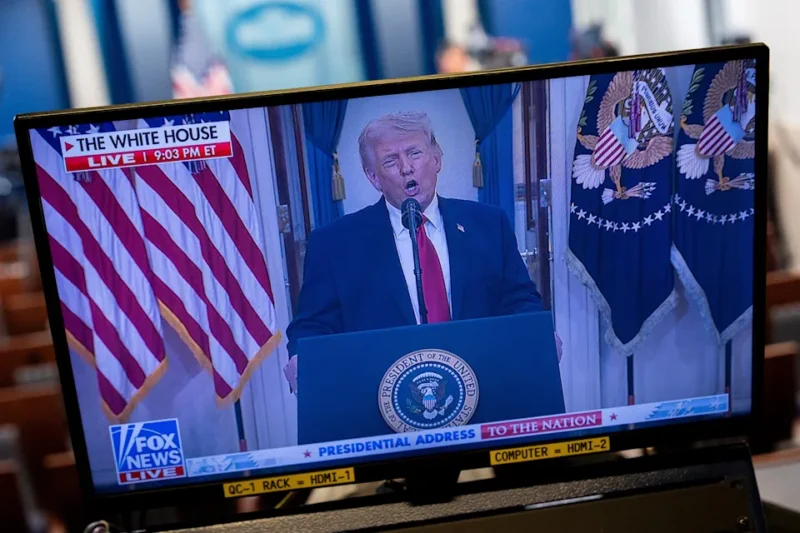
President Donald Trump’s rhetoric has further complicated the picture. His criticism of NATO partners and suggestions that the United States can act alone have reinforced doubts about long-term cohesion. Alliances depend not only on shared interests but also on trust. When that trust erodes, even powerful structures begin to loosen.
What is emerging is a more fragmented strategic landscape. The United States retains unmatched military power, but its ability to organize collective action appears less certain. European states, in turn, are beginning to hedge—seeking flexibility rather than automatic alignment.
This does not mean NATO is about to disappear. But it does suggest a transition. The alliance is being forced to adapt to a world in which unity can no longer be assumed, and where major decisions carry global consequences that allies are less willing to bear without a voice.
The war with Iran, in that sense, is not only about military outcomes or regional balance. It is about whether the Atlantic alliance can still function as a coherent political project—or whether it is entering a period of gradual, uneasy redefinition.
And if the latter proves true, the implications will extend far beyond this conflict, reshaping the architecture of global power in the years ahead.