
AI Race
Africa’s Crime Fight Goes Digital: Somalia and Gambia Pin Hopes on AI Forensics


From Mogadishu’s labs to Banjul’s skeletal remains, African forensics see AI as the next battlefield weapon against crime — but global support will decide how fast it takes hold.
Artificial intelligence is creeping into African crime labs — not as a luxury, but as a survival tool. Somalia and The Gambia, two nations on opposite ends of the continent’s fragile security spectrum, are looking at AI as the lever that could finally move their forensic systems out of the manual age.
Somalia’s story shows how quickly necessity breeds innovation. In 2016, Mogadishu built its first forensic lab. At first, it was fingerprints, plastic samples, and paper records. Today, officers use facial recognition on CCTV footage and digital forensics to track terror suspects.
Still, Somalia has no domestic DNA sequencing; samples are flown to South Africa. Biometric databases are pooled with Ethiopia, Kenya, and Uganda, creating a fragile but growing regional net.
Behind the progress is outside muscle. U.S. mentors, FBI specialists, EU funding, UN labs, and African Union support all underpin Somalia’s capabilities. Explosives linked to al-Shabaab attacks are analyzed with American assistance. Digital evidence often leaves the country entirely.
As Col. Muhidin Ahmed Osman, head of Somalia’s criminal investigations, admits: “If we bring full AI into our lab, everything will change — faster, sharper, suspects easier to trace.”
The Gambia, by contrast, is still stuck in the manual trenches. Fa Kebba Darboe, who runs the country’s forensic medicine service, bluntly admits: “We are basically manual still.” His office, with just 15 staff, struggles to move beyond rudimentary DNA and skeletal analysis.
Post-Jammeh truth commissions relied on confessions more than science.
Darboe sees AI as a “key player” but insists manpower and training must come first. His team leans on Senegal, Ghana, and the West African Forensics Network to fill gaps. Next steps? Training exchanges with Türkiye in ballistics and toxicology, if funding comes through.
Both Somalia and The Gambia underscore the same truth: AI alone won’t save African forensics. Without political commitment, regional cooperation, and foreign backing, the technology risks remaining a buzzword. Yet for governments battling terror cells and digging up decades of mass graves, AI could be the difference between blind guessing and hard evidence.
Or as Darboe put it: “AI is the way for the new world … to get the dream come true.”








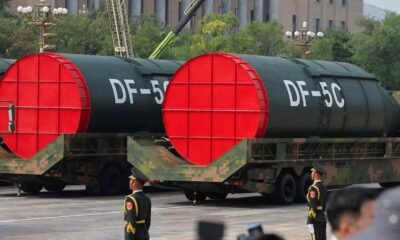





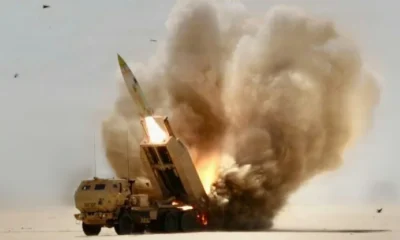






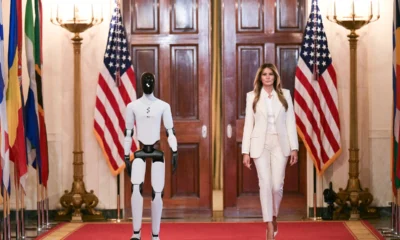


On July 23, the US unveiled its “Winning the AI Race” plan, followed three days later by China’s “Global AI Governance Action Plan.” Both nations are racing to lead the AI revolution and shape the rules governing this transformative technology — with profound implications worldwide.
The US plan is broad and ambitious, focusing on boosting domestic AI innovation, building infrastructure, and leveraging international alliances to promote US standards and exports. China’s plan zeroes in on global governance, emphasizing state control and an alternative international order, while advocating multilateral cooperation tailored to its interests.
China treats AI as geopolitical infrastructure tied to sovereignty and state-led development, pushing its model through diplomatic and tech investments, especially among developing countries. The US promotes open innovation, market-driven growth, and partnerships with democracies, but struggles with internal staffing and resource cuts, complicating its global diplomatic efforts.
Is cooperation possible?
Despite fierce rivalry, both countries share a goal of broad AI access and safety. They have separately pledged to improve datasets and infrastructure, which could open limited opportunities for technical collaboration — though political tensions remain high.
China’s strategy aligns with its vision of AI as a tool for sustainable development and state sovereignty, appealing to many developing nations. The US’s competitive market-focused stance may appear less welcoming, risking skepticism from countries wary of dependency on foreign powers.
What’s next?
China’s growing network of AI alliances and governance proposals signal a shift toward global leadership using familiar multilateral platforms — some modeled after institutions the US once dominated. Meanwhile, the US’s assertive but under-resourced approach may hamper its influence in shaping AI’s future.
Ultimately, the global AI landscape is set for a fractured future, split between competing visions of control and openness, with developing nations caught in the middle.
File Name: Americas-AI-Action-Plan.pdf

The Hidden Economic Front Reshaping the Middle East

Beyond Hormuz—Gulf Powers Redraw the Map of Global Energy Routes

Germany Backtracks After Merz’s Remarks on Syrian Refugee


-

 US-Israel war on Iran1 month ago
UK Refuses Iran Strike Access, Trump Fires Back
-

 Russia-Ukraine War1 month ago
Europe’s Spies Challenge Trump’s Ukraine Peace Optimism
-

 Top stories1 month ago
War Expands Across Region as Iranian Militias Join Fight
-

 Top stories1 month ago
India Turns to Brazil in Strategic Minerals Push Against China
-

 US-Israel war on Iran1 month ago
Iran Pledges ‘Never, Ever’ to Hold Bomb-Grade Material
-

 US-Israel war on Iran1 month ago
Syria Under Fire on Two Fronts
-

 Top stories3 weeks ago
Meloni Breaks Ranks: Italy Warns on Iran War
-

 Russia-Ukraine War1 month ago
Estonia Warns NATO Would Strike Deep Inside Russia if Baltics Are Invaded