As the UK pumps millions more into Somalia’s army, Somaliland faces heightened threats while UNSOS fuels an increasingly unstable regional arms race.

The British government just wired another $3.9 million to fuel Mogadishu’s militarization—and Somalilanders are asking: “Who is this war chest really aimed at?”
On Monday, the United Nations Support Office in Somalia (UNSOS) confirmed the UK’s latest cash drop into the Somali Security Forces (SSF) Trust Fund, bringing British support to a staggering $50 million since 2021. The funds pay for food, fuel, medevac missions—and logistics for nearly 19,000 Somali troops, with expansion plans already in motion.
These aren’t peacekeepers. This is a foreign-funded, UN-managed fighting force—trained, equipped, and deployed at a time when Somalia is entrenching its hold on Las Anod, and threatening Somaliland’s borders. Where is this force going? And against whom?
The UK claims it’s backing the fight against “violent extremists.” But that same Somali government just welcomed Turkish military bases, offered Chinese-backed oil deals in disputed territory, and is building an army that doesn’t even control its capital without foreign troops.
The funding also helps facilitate frontline evacuations—a reminder that this isn’t just security. It’s active warfare.
British Ambassador Mike Nithavrianakis proudly called Somalia “a firm friend.” But whose security is being guaranteed? Somaliland’s sovereignty? No. In fact, the very funds flowing through UNSOS could end up emboldening Somalia’s push into contested lands, or worse—into Somaliland territory itself.
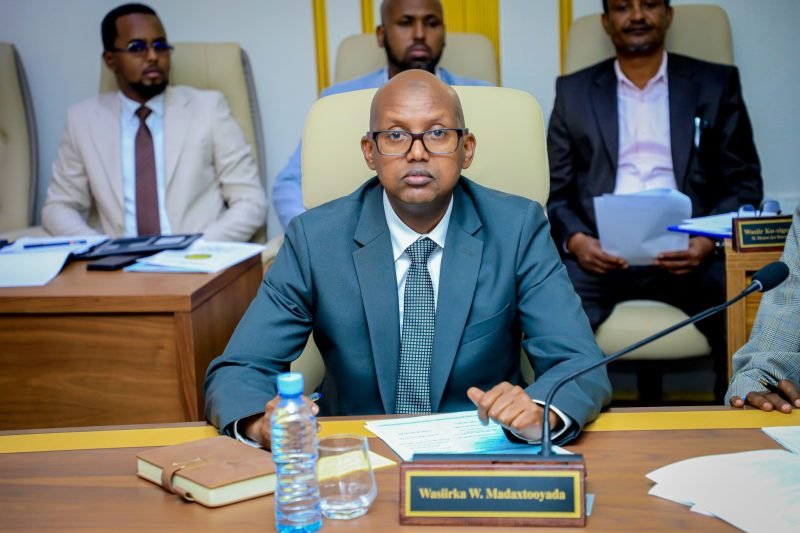
And while Somalia’s National Security Advisor promises “transparency and accountability,” the record shows militia infiltration, human rights violations, and chronic misuse of donor funds.
Somaliland’s silence in this equation is dangerous. The longer Hargeisa fails to demand a separate recognition in global security structures, the more millions will be funneled into the very force seeking to erase it from the map.
This isn’t a donation. It’s arming instability.