Europe is fighting a shadow war, and this time the front lines are submerged beneath the Baltic Sea. Mysterious sabotage targeting crucial undersea cables—essential for the continent’s internet connectivity and power supply—is causing alarm across European capitals. The suspected culprit: Russia, engaging in a high-stakes game of geopolitical brinkmanship that, while not yet warfare, feels disturbingly close.
In the last 18 months alone, the Gulf of Finland has seen multiple sabotage incidents, damaging at least 11 undersea cables since 2023. Despite the significant disruption potential, the sabotage has thus far caused limited direct harm to daily life. Yet, the implications are profoundly unsettling: Europe now lives with the chilling awareness that Moscow holds a silent, destructive power just offshore.
Finnish coast guard deputy commander Ilja Iljin is at the forefront of efforts to curb these attacks. Yet, even with robust patrol fleets and advanced surveillance technology, securing thousands of kilometers of seabed is nearly impossible. “This is becoming more common,” Iljin admits, underscoring the difficulty of thwarting low-cost, high-impact sabotage.
Baltic Sea Under Siege: Power Cable Break Raises Concerns of Sabotage in Finland-Estonia Link
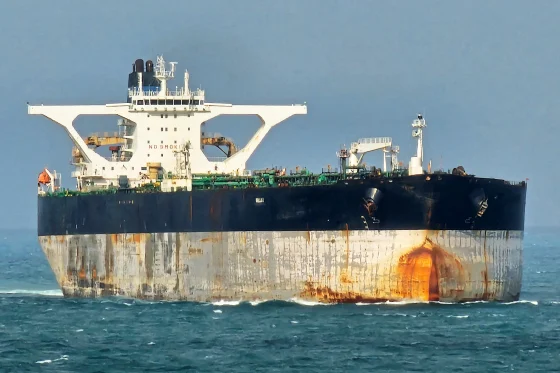
The targets are strategic and worryingly accessible. Subsea data cables are merely arm-thick, while power cables, although sturdier, are vulnerable to damage from ship anchors—exactly what happened with the Eagle S vessel last December. Once damaged, these cables require costly and prolonged repairs. The limited global fleet of specialized repair ships means even minor disruptions could cause lengthy outages, sparking chaos in Europe’s tightly connected economies.
Undersea Cable Cuts in the Baltic Sea: A New Front in Geopolitical Tensions
Though direct Russian responsibility remains unproven, analysts view these incidents as classic Kremlin tactics—destabilizing Europe while maintaining plausible deniability. Nick Childs, a maritime defense expert, notes that sabotage is a convenient gray-zone strategy, serving as a quiet yet potent threat against increased European support for Ukraine.
Europe’s response is ramping up. NATO’s “Baltic Sentry” initiative deploys naval drones and frigates, and the EU is investing €540 million to enhance resilience, including stocking spare cables and specialized repair vessels. Yet, legal hurdles persist. International maritime law complicates direct action against suspicious vessels operating beyond territorial waters, as illustrated when China shielded the Yi Peng 3 tanker from a full investigation.
Moreover, geopolitical tensions heighten as former U.S. President Donald Trump’s isolationist stance threatens transatlantic cooperation. If Russia intensifies sabotage, particularly targeting Norwegian gas pipelines or isolating EU islands like Ireland and Malta, Europe could face catastrophic energy disruptions and soaring prices.
Europe stands at a critical juncture, compelled to strengthen maritime defenses against a hidden, creeping threat beneath the waves. How effectively Europe navigates this peril could redefine regional security for decades, setting a stark precedent in the new era of geopolitical confrontation.