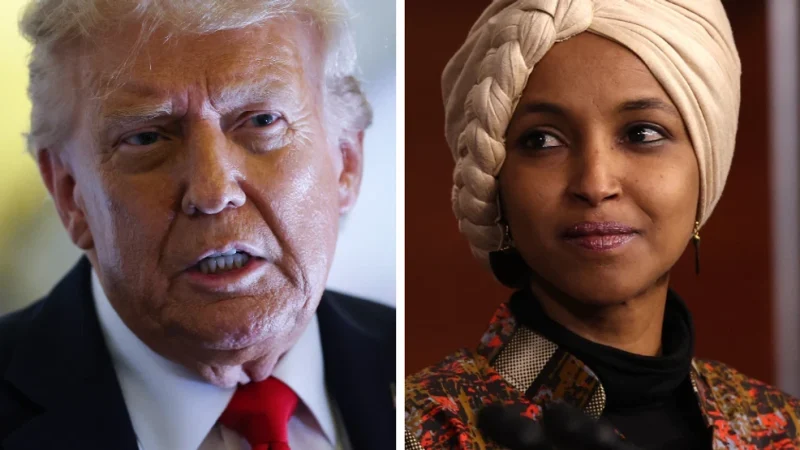
Top Trump officials reportedly used unsecured Gmail accounts and Signal to coordinate US military strikes, sparking national security outcry.
In a scandal that could dwarf Hillary Clinton’s infamous email saga, members of Donald Trump’s national security team—including his top adviser Mike Waltz—have reportedly used personal Gmail accounts to discuss sensitive military operations and national security matters, according to the Washington Post.
The revelation comes hot on the heels of the so-called “Signal-Gate”, when a journalist was accidentally added to a Signal group chat where senior White House officials—including Defense Secretary Pete Hegseth and Vice President J.D. Vance—were actively discussing real-time plans for US airstrikes in Yemen.
Now it gets worse.
The Post alleges that a senior aide to Waltz engaged in “highly technical conversations” via Gmail, including information on weapons systems and battlefield movements—content that experts warn could be “potentially exploitable” if intercepted.
This isn’t a minor protocol breach. It’s a massive operational security risk, and it flies in the face of government regulations that strictly require secure, government-issued communication platforms for such matters.
Waltz, now under fire, claims that he “didn’t and wouldn’t send classified information” through these accounts—but evidence suggests otherwise. His team allegedly coordinated meetings and posted fragments of his classified schedule into Signal messages, raising serious concerns among cybersecurity experts and Democrats alike.
The NSC attempted to downplay the leak, stating that Waltz copied messages to his government email “to ensure compliance,” while refusing to acknowledge whether sensitive intel was shared outside secure systems.
But that’s not washing with critics.
“The hypocrisy is staggering,” one Hill staffer told the media. “They spent years attacking Hillary over emails—and now Trump’s war council is texting about drone strikes like it’s a football group chat.”
Despite growing pressure, Trump is standing by his embattled team. “I don’t fire people because of fake news and because of witch hunts,” he said defiantly to NBC News.
But make no mistake: this is not just about emails. It’s about the chain of command being compromised, unauthorized communication during active military campaigns, and the alarming normalization of recklessness in U.S. national security.
And in an era of rising global tensions and cyber espionage, that’s not just dangerous—it’s damning.