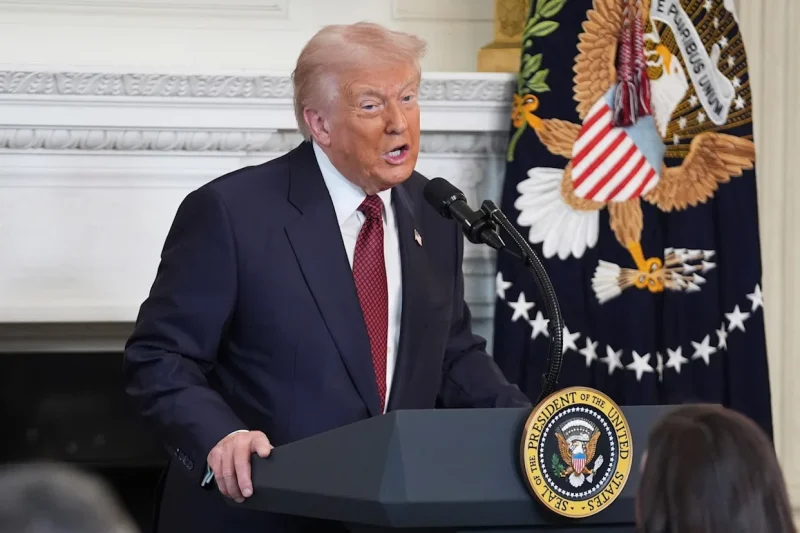
As tensions between the U.S. and China escalate, Africa emerges as a strategic pivot in the global trade landscape, with China ramping up economic partnerships across the continent.
The ripple effects of the U.S.-China trade wars are profoundly reshaping geopolitical and economic landscapes, particularly across Africa. As the U.S. intensifies trade restrictions against China, African nations find themselves at a strategic inflection point, poised to gain significantly from Beijing’s pivot toward diversifying its global alliances and reducing its dependency on American markets.
Strategic Shifts in Trade and Diplomacy
China’s response to heightened U.S. trade barriers has been multifaceted, involving a deliberate shift towards strengthening economic ties with Africa. This strategy is not merely a reaction to trade tensions but a proactive approach to cultivate a more diversified global partnership framework. The recent initiatives by China to deepen ties with African nations underscore a strategic realignment, emphasizing the continent’s role as a vital partner in China’s global economic strategy.
China’s Investment in African Agriculture and Technology
The agricultural sector is a prime example of how Africa stands to benefit from China’s adjusted foreign policy strategy. In the face of tariffs on its agricultural imports like soybeans from the U.S., China has turned to African nations to fill these gaps. This shift is not just about importing agricultural goods but also about investing in the agricultural capacities of African nations. By doing so, China is helping to develop the continent’s agricultural sector, increasing Africa’s export capabilities, and fostering greater food security in the region.
Moreover, China’s focus extends beyond agriculture into technology and infrastructure development. The establishment of economic cooperation zones, such as the pilot zone in Hunan province, illustrates China’s commitment to integrating African economies into its supply chain. These zones facilitate a deeper economic exchange by providing African businesses with access to Chinese technology, funding, and markets, thereby catalyzing the continent’s industrialization and technological advancement.
Implications for African Sovereignty and Development
While the economic prospects are promising, the deepening China-Africa ties also raise questions about sovereignty and the long-term implications for African autonomy. African leaders are tasked with navigating this complex landscape to harness these new opportunities without forfeiting their countries’ control over their economic futures. The challenge lies in leveraging Chinese investments and trade incentives to build local capacity and sustainable development.
Potential for a New Era in Global Trade
As Africa becomes more intertwined with China economically, it could redefine its position in global trade networks. The continent may transform from being a peripheral actor to a central hub in international trade, especially as global supply chains realign away from traditional power centers towards new markets. This shift could enhance Africa’s strategic importance and bargaining power on the global stage, presenting an unprecedented opportunity for its countries to advocate for more favorable trade terms and investments.
Navigating a Multipolar World
The evolving dynamics suggest that Africa is entering a new phase of its international relations—one where it could play a pivotal role in a multipolar world order. African nations, thus, need to develop robust strategies that maximize the benefits of their engagements with major powers like China and the U.S. while safeguarding their strategic interests. This includes fostering a balanced approach to foreign relations, enhancing regional integration, and building resilient economies capable of withstanding global economic shifts.
In conclusion, the U.S.-China trade wars, while presenting challenges, also offer a unique window of opportunity for Africa to redefine its international economic relationships. How effectively African leaders capitalize on this opportunity will determine the continent’s role in the global economy of tomorrow.