Over 200 Venezuelans, alleged members of the Tren de Aragua gang, deported to El Salvador in defiance of a U.S. court order, sparking international and legal uproar.
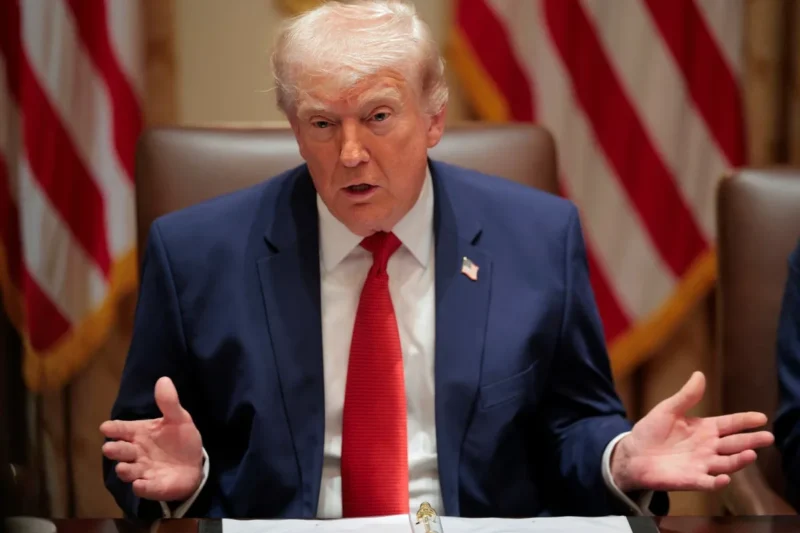
The United States has deported over 200 Venezuelan immigrants, alleged members of the notorious Tren de Aragua gang, to El Salvador. This action, ordered by President Donald Trump, occurred despite a U.S. federal judge’s temporary injunction against the expulsions, highlighting a significant clash between executive actions and judicial oversight.
The deported individuals were flown to El Salvador as part of an agreement with Salvadoran President Nayib Bukele, who has gained notoriety for his iron-fisted approach to crime and gang violence. Bukele’s administration has touted the move as a cost-effective solution for the U.S., which faces its own challenges with gang violence and immigration. However, this transactional approach to criminal justice and international relations has raised serious ethical and legal questions.
The use of the Alien Enemies Act of 1798 by Trump to justify these deportations is particularly contentious. This act, historically reserved for wartime measures against nationals from hostile states, has rarely been invoked and never in circumstances akin to those involving Venezuela and its citizens today. The broad application of this act to deport non-combatants has sparked a debate over the erosion of civil liberties and the potential misuse of wartime legislation for peacetime political agendas.
Critics, including human rights organizations and opposition politicians both in the U.S. and Venezuela, have condemned the deportations as a violation of both U.S. and international law. They argue that the move not only undermines the rule of law but also endangers the lives of those deported by subjecting them to harsh conditions in Salvadoran prisons. These facilities, notorious for their severe overcrowding and inhumane conditions, are ill-prepared to handle an influx of foreign inmates, which could exacerbate the already dire human rights situation in the country.
Moreover, the legal challenge to the deportations underscores a growing concern over the executive branch’s encroachment on judicial authority. The rapid deportation of the Venezuelans in defiance of a federal court order represents a troubling disregard for judicial checks on executive power, setting a dangerous precedent for governance in the United States.
The situation also highlights the complex dynamics of international diplomacy and domestic policy, as President Trump navigates his administration’s tough stance on immigration and criminal justice reform. By outsourcing the containment of gang activity to El Salvador, the U.S. is effectively exporting its law enforcement challenges, raising questions about the long-term sustainability and ethics of such policies.
As the legal battles unfold and the international community watches closely, the implications of these deportations will likely resonate beyond the immediate concerns of immigration policy and gang control. They touch on broader themes of human rights, sovereignty, and the balance of powers in a democratic system, challenging policymakers and citizens alike to reconsider the values and principles that define their governance and diplomacy.