Widespread discontent surges over $50 billion lost in Syria, inflation, and severe power outages, as hope for regime change rises.
Iran is facing escalating unrest as economic hardships and public frustration with the regime’s foreign policies converge. Benny Sabti, a researcher at the Institute for National Security Studies (INSS), highlighted the deepening anger over the government’s expenditure of $50 billion in Syria, funds perceived as squandered in a failed foreign venture. This is coupled with financial aid to Lebanon and other regions, further enraging a population already struggling with domestic crises.
Living conditions in Iran have deteriorated sharply. Daily power outages lasting up to seven hours have paralyzed Tehran and rural areas, often causing water shortages. Industrial activity has ground to a halt, driving the unemployment rate to a staggering 35%. Pollution from burning ship fuel adds to the misery, forcing widespread shutdowns and confining citizens indoors.
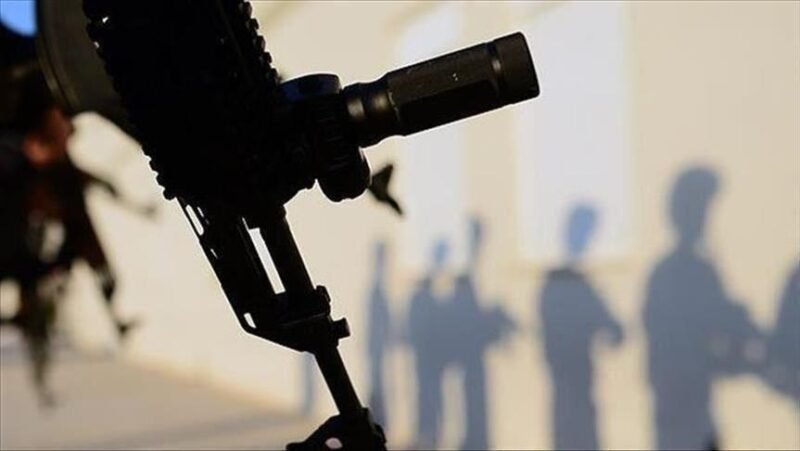
Despite isolated protests by workers, widespread demonstrations have yet to materialize, though the regime appears increasingly anxious. Recent protest-response drills indicate a fragile hold on power, with officials openly admitting military and financial strains.
Public hope for change is growing. Many Iranians see international pressure as key to weakening the regime, with some calling for decisive action against oppressive Revolutionary Guard forces. Amid soaring inflation and a plummeting currency, Benny Sabti described 2024 as a decisive year, with the regime’s vulnerabilities exposed and public opposition reaching critical mass.