Joseph Aoun’s election ends a 15-month presidential vacancy, breaking Lebanon’s political deadlock amid regional tensions.
After 15 months of political paralysis, Lebanon’s parliament has elected Army Chief Joseph Aoun as the nation’s president, marking a significant breakthrough in a protracted deadlock. Aoun secured the presidency during a second round of voting in parliament on Thursday, surpassing the simple majority threshold of 65 votes required to win. The announcement sparked celebrations among lawmakers, reflecting the relief of a nation desperate for political resolution.
In the first round of voting earlier in the day, Aoun fell short of the two-thirds majority needed to clinch victory, receiving 71 votes out of the 128-member parliament. However, the subsequent round lowered the bar to a simple majority, allowing Aoun to claim the presidency and bring an end to a crisis that had left Lebanon without a head of state since October 2022.
The political impasse had been fueled by deep divisions between Hezbollah and its opponents, stalling over a dozen previous attempts to elect a president. The stalemate exacerbated Lebanon’s ongoing economic collapse, with inflation, corruption, and sectarian tensions crippling the nation.
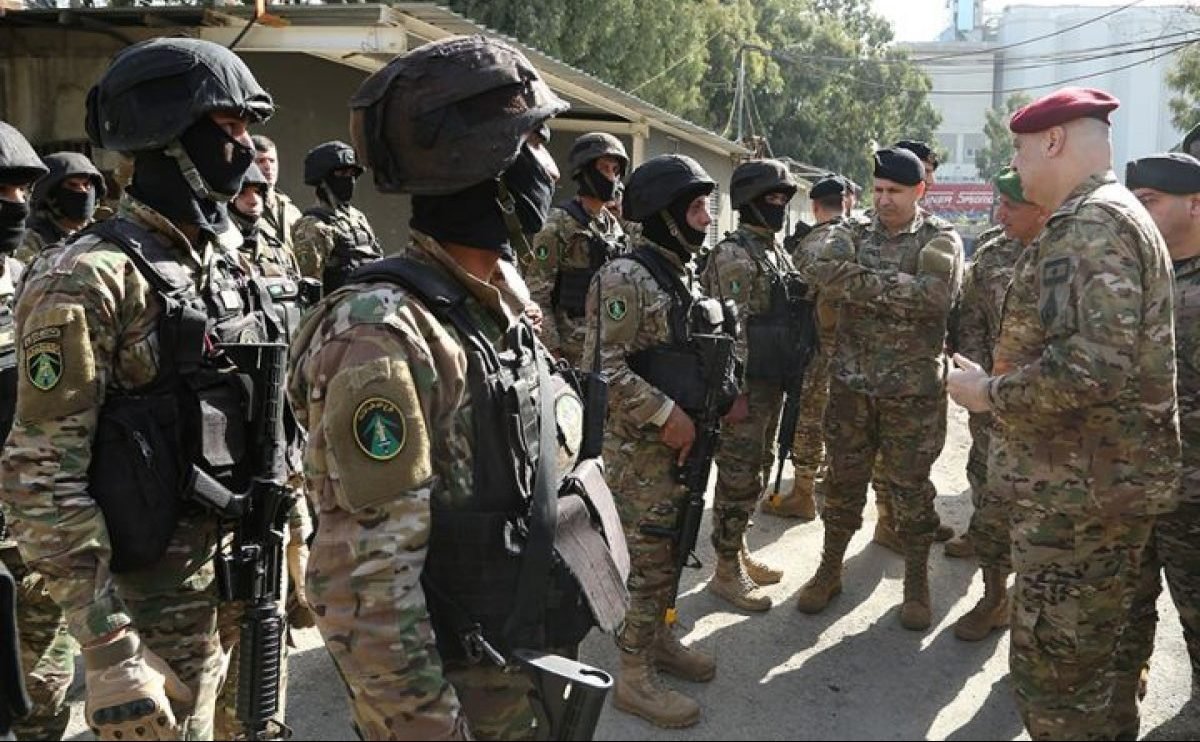
Joseph Aoun, a Maronite Christian as mandated by Lebanon’s sectarian power-sharing system, represents a figure of stability and neutrality. As army chief since 2017, he has garnered respect domestically and internationally for his leadership, particularly during the nation’s social and economic upheavals. His presidency is viewed as a move to restore confidence in Lebanon’s governance and navigate the nation through its many crises.
The international community had been pressuring Lebanon’s political factions to resolve the leadership vacuum. The urgency was heightened by a looming deadline in 17 days to deploy Lebanese troops alongside UN peacekeepers in southern Lebanon, following a fragile ceasefire after last autumn’s Hezbollah-Israel war. Aoun’s election is expected to strengthen Lebanon’s ability to fulfill its commitments in this regard and stabilize its internal security.
Aoun’s presidency signals a new chapter for Lebanon, but significant challenges lie ahead. The nation remains deeply divided, its economy in tatters, and its citizens increasingly disillusioned with the political elite. Aoun’s ability to bridge these divides and implement reforms will determine whether this moment becomes a turning point or a fleeting reprieve from Lebanon’s chronic instability.