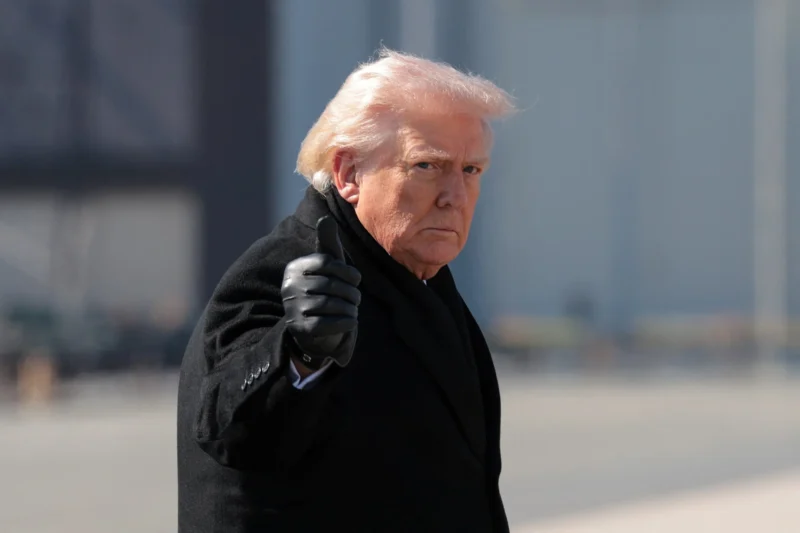
Revelations of a covert dialogue between Italian intelligence and Syria’s Assad regime highlight the contradictions in Italy’s foreign policy amid a collapsing Syrian state.
Recent allegations that Italy’s external intelligence agency, AISE, offered support to Bashar al-Assad’s regime during its most precarious moment in December 2024 have ignited a diplomatic storm. The claim, originating from a Syrian intelligence document, paints a picture of Italian pragmatism in direct conflict with its public commitment to human rights and sanctions against authoritarian regimes. This episode raises pressing questions about Italy’s foreign policy priorities, the ethics of its engagement, and the potential damage to its credibility on the international stage.
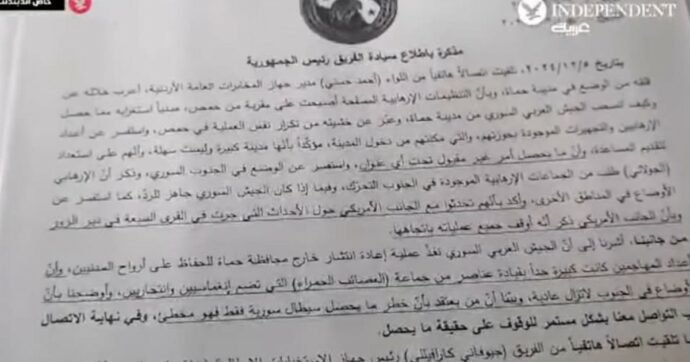
According to the leaked document, AISE head General Giovanni Caravelli reportedly reached out to Hassan Luqa, a sanctioned Syrian intelligence official. The alleged conversation expressed Italian support for Assad’s government and underscored Russia’s role in stabilizing the regime. If verified, this move would signal a sharp departure from Italy’s official stance and European Union policy, which have maintained sanctions and condemned Assad for widespread human rights violations.
The timing of this alleged communication coincides with Italy’s decision to reopen its embassy in Damascus—breaking with most European nations—and the regime’s desperate bid to resist a rapid rebel advance led by Hayat Tahrir al-Sham. While the nature of the support offered remains unclear, the very act of engagement risks legitimizing a regime accused of systematic atrocities, including indiscriminate bombings of civilians and schools.
Italy’s Strategic Motivations
The alleged double game played by Rome appears driven by two strategic priorities: migration management and national security.
First, Syria remains a critical point in the flow of migrants from the Middle East and North Africa. By engaging with Assad, Italy could be seeking assurances on controlling these movements, aligning with its domestic policy to stem irregular migration.
Second, maintaining dialogue with Damascus provides Italy with a bridge to Russia, whose influence in Syria is central to the region’s power dynamics. By aligning indirectly with Moscow’s agenda, Italy might hope to preserve its relevance in the Mediterranean while navigating the geopolitical complexities of Western-Russian tensions.
Such pragmatism, however, comes at a significant ethical cost. Supporting or even engaging with a regime widely accused of war crimes undermines Italy’s commitment to the values it publicly espouses. Critics have been quick to denounce the alleged move as hypocrisy. Charles Lister, a Middle East analyst, emphasized the moral contradiction of supporting a regime responsible for indiscriminate violence while claiming to uphold human rights.
The backlash also extends to Italy’s European partners. Rome risks isolating itself within the European Union by diverging from collective policies that demand accountability from Assad. At a time when international cohesion is critical, such revelations could weaken Europe’s collective stance against authoritarian regimes.
A Blow to Italian Credibility
If proven true, these actions could erode Italy’s reputation as a principled actor on the global stage. The perception of a covert dialogue with Assad would cast doubt on Rome’s commitment to its stated foreign policy goals and its alignment with European principles. The reopening of its embassy in Damascus, coupled with the alleged contact, raises questions about whether Italy is prioritizing short-term strategic interests over long-term stability and ethical considerations.
Italy’s alleged engagement with Assad underscores the perennial tension between pragmatism and the defense of democratic ideals in international politics. While strategic interests often necessitate difficult compromises, the risks of appearing complicit in authoritarian regimes’ abuses are profound.
For Italy, the path forward requires recalibration. If Rome seeks to play a constructive role in Syria, it must do so transparently, championing humanitarian aid, fostering civil society, and supporting a credible political transition. Covert dealings with a regime under siege may yield short-term gains but risk undermining Italy’s long-term credibility and moral authority.
The Cost of Compromise
The revelations surrounding Italy’s alleged dialogue with the Assad regime expose the complexities and contradictions of modern diplomacy. While strategic imperatives may drive engagement with unsavory actors, such actions must be weighed against their broader ethical and geopolitical consequences. For Italy, the challenge lies in reconciling its pragmatic interests with its stated commitment to human rights and democratic values.
In an era where global trust is increasingly fragile