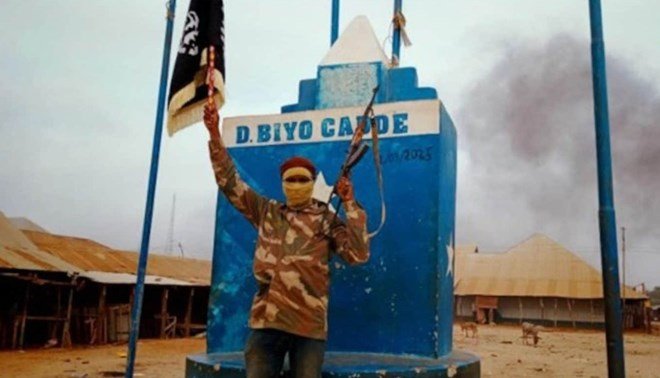
The emergence of Lakurawa as a potent threat in Nigeria’s northwest is less a product of recent geopolitical shifts and more a reflection of longstanding systemic failures. Despite Nigerian military claims that the group represents a “new” terror threat linked to the turmoil following Sahelian coups, analysts and researchers assert that Lakurawa’s roots extend back over two decades.
A History of Violence and Opportunism
Lakurawa, predominantly composed of armed herders speaking Fulfulde and Arabic, has operated along the Nigeria-Niger border since 1999. Originally invited by local traditional leaders to protect communities from banditry, the group later turned on its patrons. By 2017, it had begun imposing its version of Islamic governance, levying taxes, and engaging in violence, including the killing of the district head of Balle, who once supported them.
The group’s affiliations with jihadist networks in the Sahel further complicate the security landscape. Their activities align with broader patterns of terrorism in the region, characterized by porous borders and ungoverned spaces exploited by militant factions.
Structural Failures and Missed Opportunities
The rise of Lakurawa underscores Nigeria’s chronic security lapses, particularly in border management and the provision of basic governance. Analysts argue that the failure to create state-level police forces and empower local communities has left rural areas vulnerable to predatory groups.
The Nigerian government’s reactive military campaigns, such as the recent Operation Fansan Yamma following Lakurawa’s deadly attack in Kebbi State, highlight the limitations of force-centric strategies. Without addressing root causes like poverty, weak governance, and inter-ethnic tensions, such measures are unlikely to achieve lasting peace.
A Path Forward: Collaboration and Decentralization
Experts emphasize that sustainable security solutions require a multi-faceted approach. Key recommendations include:
Decentralized Policing: Devolving police powers to Nigeria’s federating units could enhance the efficiency and responsiveness of law enforcement in vulnerable regions.
Intelligence-Driven Operations: Preventive measures, including robust intelligence networks, must replace reactive strategies.
Regional Cooperation: Enhanced cross-border collaboration with neighboring states is crucial to countering the mobility of terror groups like Lakurawa.
Empowering Local Communities: Supporting grassroots initiatives can help address the socio-economic conditions that foster insecurity.
Conclusion
The Lakurawa phenomenon reflects a deeper crisis of governance and security in Nigeria. As the nation grapples with growing insurgency risks, addressing systemic failures will be critical to preventing further escalation and stabilizing its borders.