The Israeli airstrike that killed Hezbollah’s Hassan Nasrallah marks a dramatic and pivotal moment in the complex web of Middle Eastern geopolitics. President Joe Biden and Vice President Kamala Harris wasted no time in calling the strike a “measure of justice,” highlighting the long and bloody history Hezbollah, under Nasrallah’s leadership, has had with the U.S., Israel, and the broader region. It’s a strike that’s not just about a single man but emblematic of a deeper, decades-long struggle over power, influence, and survival in one of the world’s most volatile regions.
Nasrallah, a towering figure in Hezbollah, led the group with an iron grip, weaving it into Lebanon’s political fabric while simultaneously turning it into a potent military force. For many, his death symbolizes the end of an era marked by fierce anti-Western sentiment, lethal attacks on U.S. personnel, and a relentless campaign against Israel. For others, it signals the potential for further escalation in a region already on the edge. Hezbollah, widely regarded as a proxy for Iranian interests, could now be thrust directly into Tehran’s hands, with the potential for an even more aggressive stance in its aftermath.
Biden’s statement pointed to the broader context of the ongoing conflict. Nasrallah’s decision to ally Hezbollah with Hamas following the October 2023 massacre of Israelis by Hamas fighters was a fateful one, positioning Hezbollah as an active player in the northern front against Israel. But the U.S. sees Nasrallah’s death as more than just retribution—it’s a calculated blow to Hezbollah’s military might and its role as a key strategic tool for Iran.
The group, responsible for high-profile attacks such as the 1983 bombings of the U.S. Embassy and barracks in Beirut, has been a long-standing thorn in the side of U.S. foreign policy. The White House’s carefully crafted message emphasized that, while the strike was not coordinated with the U.S., it aligns with American interests in dismantling the militant infrastructure threatening the region. For Washington, Nasrallah’s removal creates a rare moment of opportunity to push for broader peace initiatives, including Biden’s repeated calls for ceasefires both in Gaza and along the Israeli-Hezbollah front.
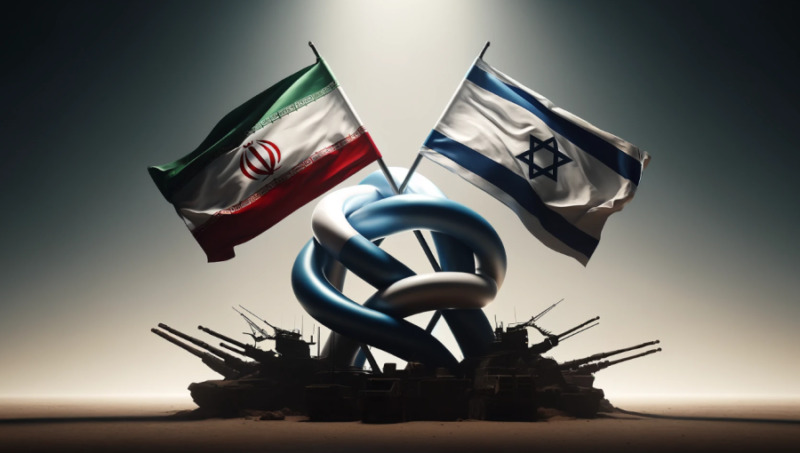
Yet, while this strike may have weakened Hezbollah in the short term, it could also catalyze new waves of violence. Iran, Hezbollah’s primary backer, immediately condemned the attack, with Iranian President Masoud Pezeshkian accusing the U.S. of complicity and issuing fiery rhetoric that signaled potential retaliation. Tehran’s statement that “the world community will not forget” suggests that this won’t be the last we hear of Iranian reprisals.
Vice President Harris underscored the delicate balance the U.S. is trying to strike—acknowledging the justice served to victims of Nasrallah’s “reign of terror” while urging diplomacy as the only viable solution to prevent the conflict from spiraling into a broader regional war. Her call for protecting civilians and achieving lasting stability highlights the challenge ahead: how to navigate a post-Nasrallah Middle East without igniting a wider conflagration.
Israeli Prime Minister Benjamin Netanyahu’s resolve to continue military operations until Hezbollah’s rocket fire ceases and displaced Israelis return home illustrates Israel’s broader strategy of crippling its northern enemy. However, the costs of this conflict are steep. The killing of Nasrallah, while a tactical victory, could escalate tensions further, with Hezbollah likely to retaliate. This raises critical questions about the future of Hezbollah without its long-standing leader. Will Iran step in to exert even more control, or will internal power struggles weaken the group’s cohesion?
As the dust settles, one thing is clear: Nasrallah’s death isn’t just the end of a chapter in Hezbollah’s history; it’s the beginning of a new phase in the broader regional conflict. The next steps taken by Israel, Hezbollah, and their allies could determine whether the region moves closer to peace or drifts further into chaos