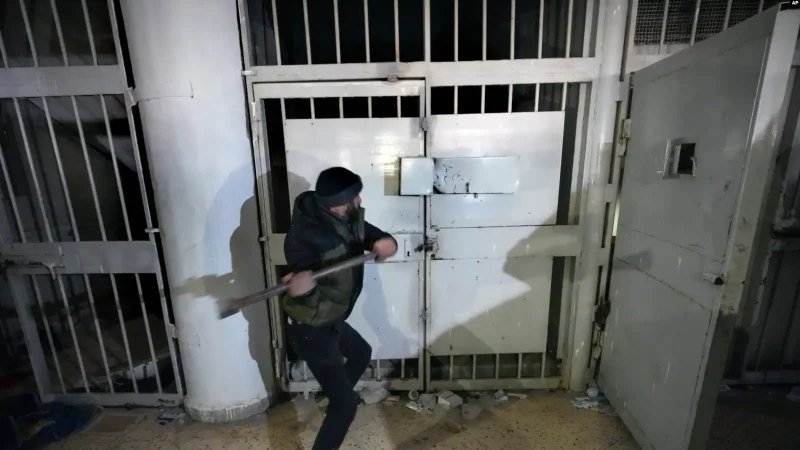
As tensions between Ethiopia and Egypt escalate over the contentious Grand Ethiopian Renaissance Dam (GERD), another, less visible crisis is unfolding in the shadows—one that threatens to break the spirit of thousands of Ethiopian migrants in Egypt. As diplomatic confrontations play out between the two governments, Ethiopian refugees and asylum seekers in Egypt are facing a nightmarish reality of harassment, exploitation, and arbitrary detention, their voices muffled by geopolitical strife.
A Silent Human Crisis Amid the Diplomatic Standoff
With no formal protection and few avenues for justice, these vulnerable migrants have become collateral damage in the broader conflict. Ethiopian community leaders on the ground, speaking under the cloak of anonymity to avoid retaliation, paint a grim picture. Migrants and asylum seekers are routinely detained, often without due process, despite possessing valid UNHCR identification cards—many of which are either valid or pending renewal.
“People are being rounded up and thrown into cells without explanation,” said one Ethiopian community leader. “Even those recognized as asylum seekers face harassment, financial exploitation, and violence.”
No Refuge, No Escape: The Vanishing Safety Net for Migrants
The desperation of the Ethiopian migrant community in Egypt is palpable. For many, Egypt was once a place of relative safety, but as tensions over the GERD reached a fever pitch, Ethiopian refugees are now in the crosshairs. Many are being targeted based solely on their nationality, caught in the whirlwind of rising xenophobia and political tensions.
Suliman Ali, an Ethiopian migrant who fled to Egypt in 2014, describes the harrowing ordeal of his brother, who was detained in Cairo’s notorious Basati prison after being attacked by gangs and extorted by local police. “We paid the bribe, but it didn’t matter—my brother was locked up for months,” Suliman recounts, his frustration palpable.
The story is a recurring one. Hundreds of Ethiopians in Egypt are facing arbitrary detention in squalid conditions, their pleas for justice falling on deaf ears. UNHCR-issued documents, which should afford them some protection, are routinely ignored by Egyptian authorities.
“We used to escape to Sudan when things got bad,” another migrant lamented. “But with Sudan now in civil war, there’s nowhere left to run.”
Tensions Boil Over: GERD Conflict Fueling Hostility
The backdrop to this crisis is the heated standoff between Ethiopia and Egypt over the GERD, a project that has become a symbol of national pride for Ethiopia but a perceived existential threat for Egypt. As Prime Minister Abiy Ahmed recently celebrated the completion of the dam’s fifth filling phase, Egypt’s President Abdel Fattah el-Sisi has intensified his opposition, leading to a diplomatic deadlock that is now spilling over into the streets of Cairo.
The Ethiopian diaspora in Egypt, estimated to include 12 different ethnic communities, is bearing the brunt of these tensions. Xenophobic attacks have been on the rise since 2020, but in 2023, as the GERD talks faltered, these incidents have reached an alarming level. Ethiopian community members report frequent physical assaults, kidnappings, and police raids, often accompanied by demands for bribes. Despite repeated attempts to engage with the UNHCR, community leaders say they have received little to no meaningful support.
Caught Between Two Nations: Ethiopian Migrants as Pawns in a Larger Game
The broader geopolitical chessboard offers little hope for these migrants. As Egypt and Ethiopia continue their saber-rattling, deploying troops and ramping up rhetoric, Ethiopian refugees are treated as a bargaining chip, their suffering overlooked in favor of grand political strategy.
In early September 2024, Egypt made a show of deploying military forces to Somalia—seen by some as a direct provocation toward Ethiopia. Ethiopia, in turn, warned that it “cannot stand idle” while its neighbors engage in destabilizing activities. This intensifying rhetoric is stoking fears of further retaliation against Ethiopian nationals in Egypt.
For Ethiopian migrants like Suliman and his brother, this geopolitical tension has turned their daily lives into a nightmare. “We are not affiliated with any political group,” Suliman stressed. “We are simply refugees, trying to survive, yet we are treated like criminals.”
Bribes, Beatings, and Injustice: A System Rigged Against the Vulnerable
Reports of bribes demanded by Egyptian authorities to allow food deliveries to detained migrants have become disturbingly common. Community leaders report receiving four to five daily notifications of members being imprisoned, while at least 100 individuals from a single Ethiopian community are currently behind bars. Attempts to address these violations with UNHCR have so far yielded no tangible results, leaving migrants trapped in a Kafkaesque loop of detention, extortion, and abuse.
“This isn’t just about the GERD. It’s about power, and we’re caught in the middle,” one community leader explained. “The tension between Ethiopia and Egypt has put a target on our backs.”
A Future in Limbo: No End in Sight for the Migrants’ Plight
As Ethiopia, Egypt, and Sudan inch closer to a potential conflict over water rights, the human toll is mounting. Ethiopian migrants in Egypt are left wondering how much longer they can endure the cycle of abuse, arbitrary detention, and violence. Their hope for international intervention is waning as the world seems to focus on the GERD’s geopolitical implications, rather than the humanitarian crisis it has triggered.
The situation for Ethiopian migrants in Egypt is not just a reflection of diplomatic hostility—it is a tragedy of human lives trapped in a hostile environment where survival itself has become a daily battle. As world leaders debate dam regulations, thousands of Ethiopian refugees remain in the shadows, hoping for a resolution that may never come.
Their cries for help echo in silence, overshadowed by a political standoff that shows no sign of abating. And for now, they remain trapped in the crossfire of a conflict far beyond their control, with no escape in sight.