Exposing the dangerous rise of tribalism and the elite’s complicity in the erosion of Somaliland’s democratic foundations.
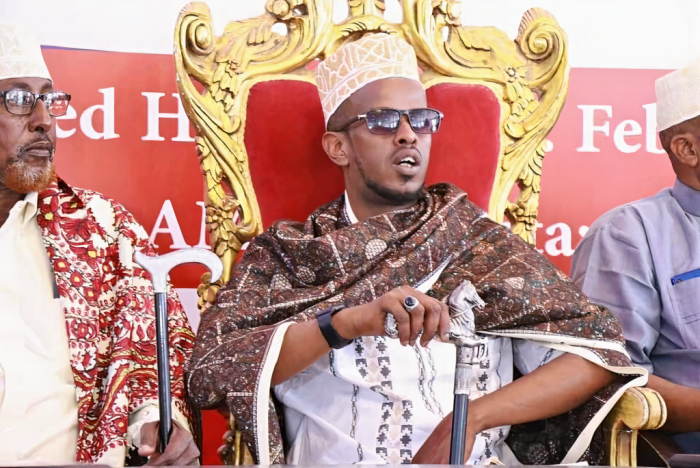
Somaliland’s political landscape is increasingly dominated by traditional clan leaders who leverage their inherited power for personal gain, posing a dire threat to the region’s stability and progress. Sultan Daoud, the Grand Sultan of the Isaaq clan, epitomizes this troubling trend. With significant influence inherited from his father, Sultan Daoud’s provocative stance against the government underscores a broader, more alarming reality.
Traditional leaders, often lacking formal education and political acumen, are exploiting their roles to challenge state authority and manipulate the political system for their benefit.

This rise of clan leaders in politics is a blatant contradiction that defies common sense and logic. Historically, these leaders were revered for their wisdom and their primary mission to ensure peace and understanding among clans. However, today, they have abandoned this cultural mission in favor of lucrative political ventures, proclaiming themselves as political leaders and undermining elected representatives and intellectuals.
This misguided shift is akin to a student usurping the role of a teacher, making it exceedingly difficult to achieve logical objectives and a stable, progressive society. The unchecked influence of traditional leaders aligned with political factions is reshaping Somaliland’s political landscape, presenting a dire threat to the region’s stability.

Mohamed Ibrahim Egal, Somaliland’s second president, recognized the chaos that could ensue from uneducated and politically naive leaders meddling in state affairs. His hardline stance against such interference aimed to confine Sultans to their traditional roles, thereby preserving the integrity of the political system. Egal’s policies ensured that clan leaders did not overstep their boundaries, maintaining a semblance of order and progress.
However, today’s scenario is drastically different and far more alarming. The educated elite and those in top positions, who should be the guardians of democracy, are either silent or complicit in this regression into tribalism. Their acquiescence, or worse, their active participation, is a betrayal of their responsibilities. How can these leaders, who should be the vanguards of democracy, remain silent as the nation teeters on the brink of tribal anarchy?
The elite’s complicity is most evident in their willingness to become pawns in the hands of a few power-hungry individuals. These traditional leaders, who should be focusing on cultural and social harmony, are instead driven by personal gains, manipulating their followers and the political system to amass power and wealth. This manipulation is not just a threat to democracy; it is a blatant abuse of power that undermines the very fabric of Somaliland’s society.
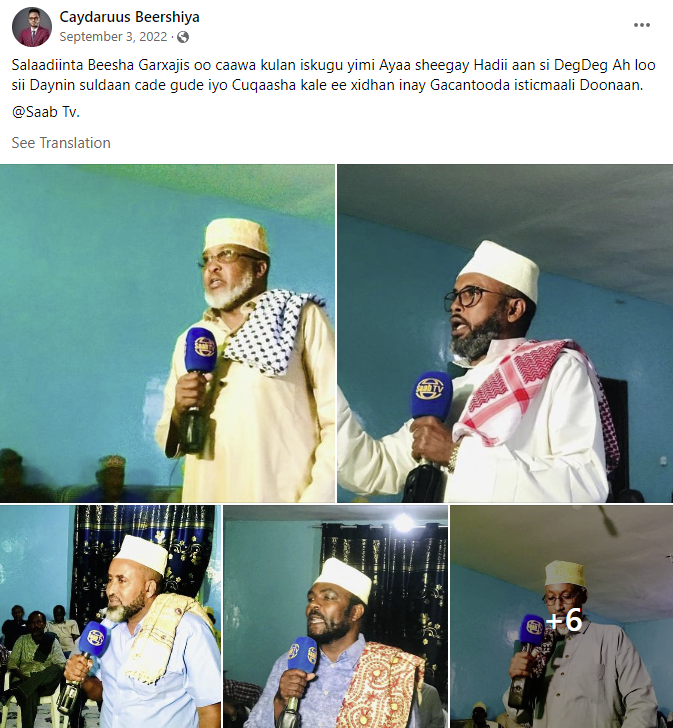
The situation is exacerbated by the fact that Somaliland’s government appears either unwilling or unable to curb this dangerous trend. Instead of reasserting state authority and enforcing laws uniformly, regardless of tribal affiliations, the government seems to be turning a blind eye to the overreach of traditional leaders. This lack of decisive action is emboldening these leaders, allowing them to operate with impunity and further entrench their influence in the political system.
The future of Somaliland hangs in the balance. Will it be a future defined by democratic progress and national unity, or will it be marred by tribalism and division? The choice lies in the hands of the Somaliland people and their leaders. The world is watching, and the stakes could not be higher.

To prevent a descent into tribal anarchy, Somaliland’s government must take decisive action. It should follow the example of former President Egal and enforce laws uniformly, holding traditional leaders accountable when they overstep their bounds. Only by reasserting the primacy of state authority can Somaliland hope to curb the dangerous influence of clan leaders and steer the nation towards a more democratic and unified future.
The silence of the elite and the educated is a damning indictment of their failure to protect the nation’s democratic principles. Their complicity, whether through silence or active participation, is a betrayal of the very foundations upon which Somaliland was built. It is high time for these leaders to rise above petty tribal affiliations and personal gains and work towards a common goal of national unity and progress.
In the end, the fate of Somaliland rests on the willingness of its people and leaders to reject the destructive forces of tribalism and division. The international community must also hold Somaliland accountable, ensuring that the region does not slide back into chaos. The stakes are high, and the time for action is now. Only through collective effort and unwavering commitment to democratic principles can Somaliland hope to secure a stable and prosperous future.