Inspiration and Leadership: The Untold Story of Somaliland’s President
In the turbulent years of the Somali National Movement (SNM) struggle, certain units and leaders emerged that would leave an indelible mark on the history of Somaliland. Among these were the distinguished SNM unit known as “Hargaha iyo Saamaha” and its notable figures, such as Mohamed Elmi Galaan and Mohamed Hassan (Gacma-dhere). This article delves into the inspiring journey of Muse Bihi, his role in the SNM, and the formidable unit he helped shape.
The Genesis of Hargaha iyo Saamaha
The unit known as “Hargaha iyo Saamaha” was a product of necessity and strategic vision within the SNM. Comprising 200 men, this unit was formed from soldiers who had been identified as ill-disciplined and separated from various SNM camps, including Jigjiga, Diridibaa, and others. These soldiers underwent rehabilitation and rigorous training at the Aware camp starting in July 1985, under the guidance of two brave men, Mohamed Elmi Galaan and Mohamed Hassan (Gacma-dhere). The training period, which lasted until December 1985, was crucial in transforming these soldiers into a disciplined and effective fighting force.
Origins of the Name
The unit’s unique name, “Hargaha iyo Saamaha,” was coined by Nuh Sh Muhammed Yar, one of the most influential figures of the time. This name, “Hargaha iyo Saamaha,” symbolized the tough and resilient nature of the unit, reflecting their readiness to withstand any challenges and hardships.
Muse Bihi Abdi: A Transformative Leader
The story of Muse Bihi Abdi’s involvement with the SNM begins in 1985, a pivotal year marked by his decision to join the movement. Muse Bihi’s arrival brought significant changes, particularly within his tribe, which saw a surge in support for the SNM cause. His influence was instrumental in rallying his community to join the SNM forces, thus strengthening the movement’s ranks.
Muse Bihi, a former pilot and high-ranking officer in Siyad Barre’s military, brought with him a wealth of experience and a strict sense of discipline. His transition from the government military to the SNM ranks was not just a personal transformation but also a catalyst for change within the SNM itself. His military background and leadership skills quickly earned him a reputation as a formidable and respected figure.
Transforming the SNM: Discipline and Strategy
Muse Bihi’s impact on the SNM was profound. Upon joining the movement, he was quick to address issues of discipline and morale within the ranks. According to Mohamed Ilmi Galaan, an SNM officer and the author of a comprehensive book on the SNM, Muse Bihi was instrumental in turning undisciplined soldiers into a well-organized and effective fighting force. He was known for his harsh but fair approach, imprisoning more than 20 soldiers who violated the movement’s code of conduct. This tough stance on discipline ensured that the SNM troops became more cohesive and battle-ready.
Spies and Saboteurs: The Internal Struggle
The journey of “Hargaha iyo Saamaha” was not without its challenges. The unit faced internal threats, particularly from spies who infiltrated their ranks and relayed information to Siyad Barre’s forces. These spies managed to escape during training and provided valuable intelligence to the enemy, which added another layer of complexity to the SNM’s struggle.
Despite these setbacks, the unit persevered and became known for their resilience and effectiveness. The presence of spies only strengthened the resolve of the remaining soldiers, who were determined to fight for their cause despite the risks.
Muse Bihi’s Legacy: From SNM Officer to President
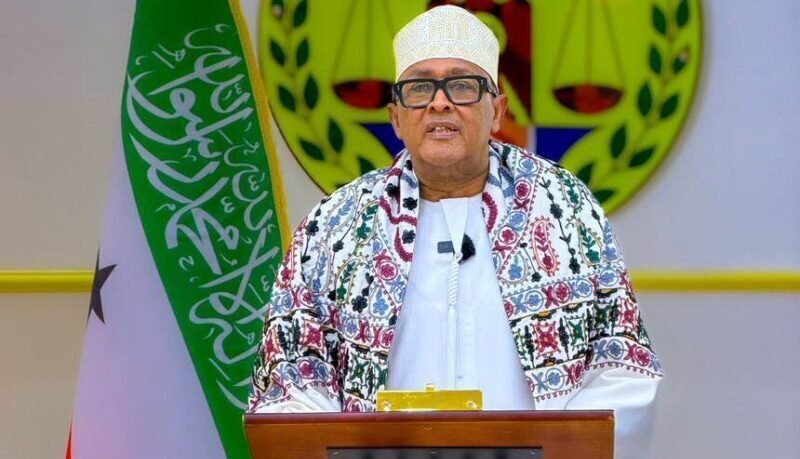
Today, Muse Bihi Abdi stands as a symbol of Somaliland’s resilience and determination. His journey from a high-ranking officer in Siyad Barre’s military to a leading figure in the SNM, and eventually to the presidency of Somaliland, is a testament to his unwavering commitment to his country. Muse Bihi’s leadership during the SNM struggle and his subsequent role in leading Somaliland on the global stage highlight his enduring dedication to his people and his homeland.
Somaliland’s quest for international recognition has been a long and arduous journey. Under Muse Bihi’s leadership, significant strides have been made towards achieving this goal. His efforts in promoting Somaliland’s cause on the global stage have not gone unnoticed, earning him respect and admiration both domestically and internationally.
The Call for Recognition: Honoring a Hero
While Muse Bihi’s contributions to Somaliland are widely recognized internationally, there remains a need for greater acknowledgment within his homeland. Somaliland must honor its heroes, and Muse Bihi Abdi is certainly one of them. His tireless work for the betterment of Somaliland and his pivotal role in the SNM deserve the highest accolades.
Somaliland’s government and its people must recognize the sacrifices and achievements of Muse Bihi and others like him who have dedicated their lives to the country’s cause. As Somaliland continues its journey towards full international recognition, it is imperative that the contributions of its leaders and heroes are celebrated and honored.
Conclusion
The story of Muse Bihi Abdi and the SNM unit “Hargaha iyo Saamaha” is one of courage, resilience, and unwavering dedication to the cause of Somaliland. As the country continues to strive for international recognition, the legacy of its leaders, particularly Muse Bihi, serves as a powerful reminder of the sacrifices made and the enduring spirit of the Somaliland people.
Honoring these heroes is not just about acknowledging their past contributions but also about inspiring future generations to continue the fight for Somaliland’s rightful place on the global stage. Muse Bihi Abdi’s journey from an SNM officer to the President of Somaliland is a beacon of hope and a testament to what can be achieved through determination, discipline, and leadership.
References
- Mohamed Ilmi Galaan, SNM Officer and Author of the SNM Book
- Interviews and personal accounts from SNM veterans and historians
- Somaliland government archives and records