Deciphering Russia’s Nuclear Escalation Threat Amid Ukraine Tensions
By Kasim Abdulkadir:
The motivations behind Russia’s recent nuclear escalation threat amidst the ongoing conflict in Ukraine and explore potential paths towards diplomatic resolution.
As tensions continue to escalate in the war-torn region of Ukraine, Russia’s recent nuclear escalation threat has sent shockwaves across the international community. While brinkmanship has long been a feature of the conflict, the specter of nuclear escalation raises concerns about the potential for catastrophic consequences. Understanding the motivations behind Russia’s threat is crucial in assessing the current geopolitical landscape and exploring avenues for diplomatic resolution.
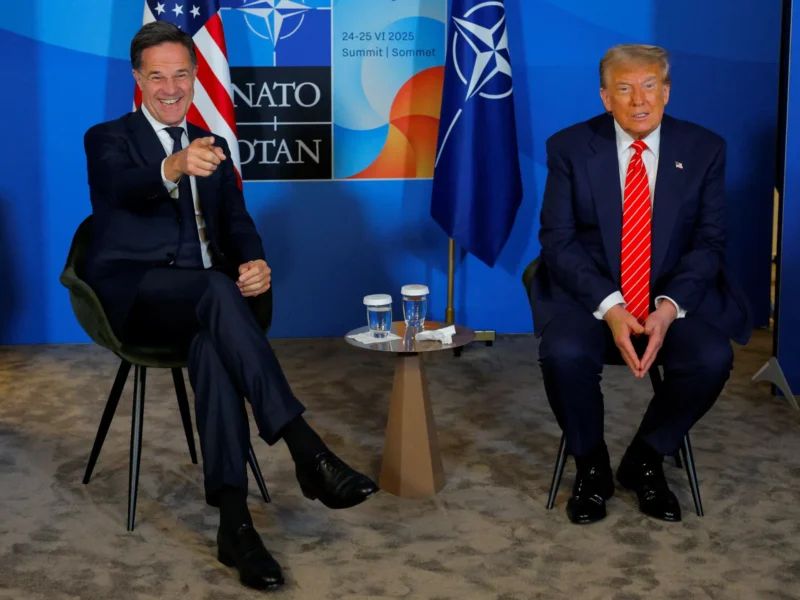
At the heart of Russia’s nuclear escalation threat lies a complex web of strategic calculations, geopolitical ambitions, and domestic political considerations. Since the onset of the conflict in Ukraine, Russia has sought to assert its influence in the region while pushing back against perceived encroachments by Western powers, particularly NATO. The threat of nuclear escalation serves as a potent tool to underscore Russia’s resolve and deter external intervention in Ukraine.
Moreover, Russia’s nuclear posturing can be viewed as part of a broader strategy to assert itself as a major global player and challenge the existing world order dominated by Western powers. By leveraging its nuclear arsenal, Russia aims to project strength and assert its interests on the world stage, signaling to adversaries that it possesses the capability and willingness to defend its territorial integrity and national security.
However, the recent nuclear escalation threat also reflects domestic political dynamics within Russia, where President Vladimir Putin faces mounting pressure amid economic challenges and discontent among the population. By adopting a confrontational stance towards the West and rallying nationalist sentiments, Putin seeks to bolster his domestic standing and rally support behind his leadership.
Despite the alarming rhetoric surrounding Russia’s nuclear escalation threat, there remains room for diplomatic off-ramps to de-escalate tensions and pave the way for a peaceful resolution to the conflict in Ukraine. International actors, including the United States, European Union, and neighboring countries, play a crucial role in facilitating dialogue and negotiation between the conflicting parties.
Diplomatic efforts should focus on addressing the underlying grievances and security concerns of all parties involved while respecting Ukraine’s sovereignty and territorial integrity. Confidence-building measures, such as ceasefire agreements, withdrawal of troops, and arms control initiatives, can help build trust and create conducive conditions for meaningful dialogue.
Furthermore, the international community must remain vigilant against any attempts to exploit the crisis for narrow geopolitical gains or resort to military escalation. Collective security mechanisms, such as the United Nations Security Council, provide avenues for multilateral engagement and coordination to address the root causes of the conflict and prevent further escalation.
In conclusion, while Russia’s nuclear escalation threat adds a dangerous dimension to the conflict in Ukraine, it also presents an opportunity for renewed diplomatic engagement and conflict resolution. By understanding the motivations behind Russia’s actions and pursuing constructive dialogue, the international community can work towards de-escalating tensions and fostering a peaceful resolution to the crisis.