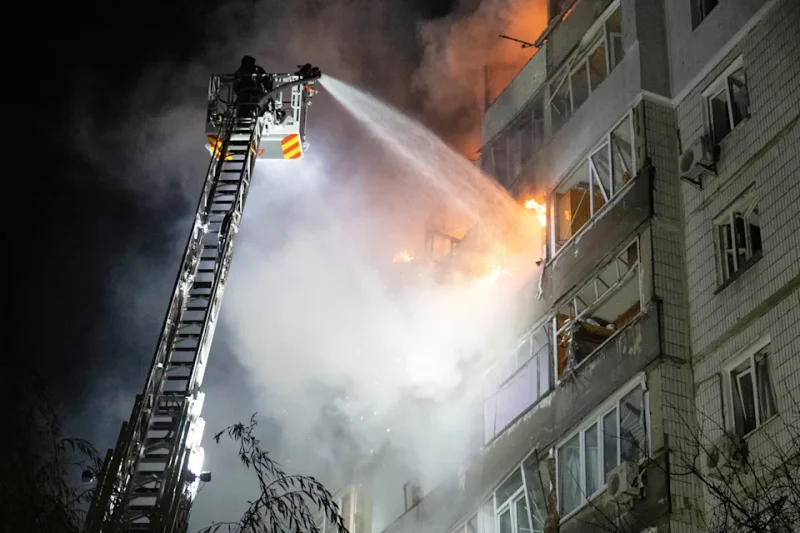
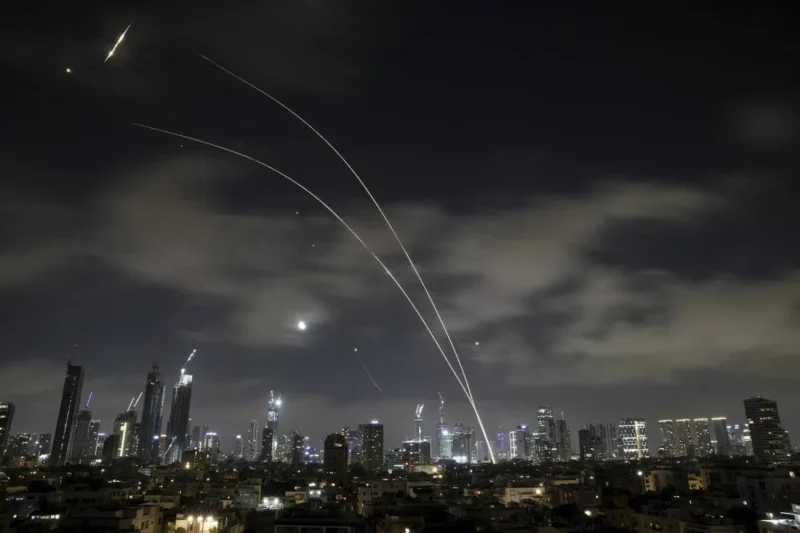
Iran’s attack on Israel marks a significant escalation in the ongoing conflict between the two countries. The Islamic Revolutionary Guard Corps (IRGC), Iran’s top military force, launched missiles and drones from Iranian territory towards Israel in retaliation for an alleged Israeli strike that killed several senior Iranian military commanders in Damascus on April 1. Israel Defense Forces (IDF) reported that Iran launched over 300 projectiles, with the majority intercepted by Israeli air defenses. However, some projectiles caused minor damage to infrastructure and injured a young girl in the southern Negev desert.
In response to the Iranian attacks, Israeli forces were supported by their allies, including the United States, Britain, Jordan, and Saudi Arabia, in intercepting the projectiles. The U.S. military confirmed its involvement in shooting down Iranian-launched drones targeting Israel. Israeli Defense Minister Yoav Gallant briefed U.S. Defense Secretary Lloyd Austin on Israel’s defensive responses, emphasizing preparedness for further attacks.
U.S. President Joe Biden reaffirmed America’s support for Israel’s security during a conversation with Prime Minister Benjamin Netanyahu. The White House National Security Council assured that the United States stands with Israel against threats from Iran. Meanwhile, Iran’s U.N. mission in New York stated that the attack on Israel concluded Tehran’s military action, warning of a severe response to any U.S. involvement in harming Iran’s interests.
The IRGC issued a similar warning, emphasizing that any U.S. participation in harming Iran’s interests would face a decisive response. Analysts suggest that the Iranian attack could escalate into a broader regional confrontation, involving not only Iran and Israel but also other nations aligned with the free world. This incident marks a potential turning point in the conflict between Iran and Israel, with implications for regional stability and international relations.