Bilan Osman, a prominent figure in Sweden’s social and journalistic landscape, has recently found herself at the center of a swirling controversy that has captured the attention of both the media and the public. Born in Gothenburg to Somali parents, Osman has emerged as a vocal advocate against racism, Islamophobia, and far-right extremism in the country. However, recent events have cast a shadow over her reputation, sparking intense debate and scrutiny within Swedish society.
The Allegations and Response
“By the way, I’m still wondering when my expose will come out? I’ve been waiting for days now and mostly heard wishful thinking and made-up stories about me hitting on someone? TWO years of information should surely yield something, right?” Bilan Osman
The controversy surrounding Osman stems from allegations made by a fellow journalist, Christian Peterson, who claims to have had a relationship with her for two years. Peterson alleges that Osman disclosed confidential information, including details about surveillance of far-right groups, which he asserts is a punishable offense. In response, Osman vehemently denied the accusations, asserting that the relationship with Peterson was purely journalistic in nature and aimed at investigating far-right movements in Sweden.
Osman took to social media to defend herself against what she described as “unfounded criticism” propagated by right-wing extremists. She emphasized that her interactions with Peterson were known to her acquaintances, friends, and family, and reiterated her commitment to combating racism and extremism in Swedish society.
Bilan Osman: A Profile
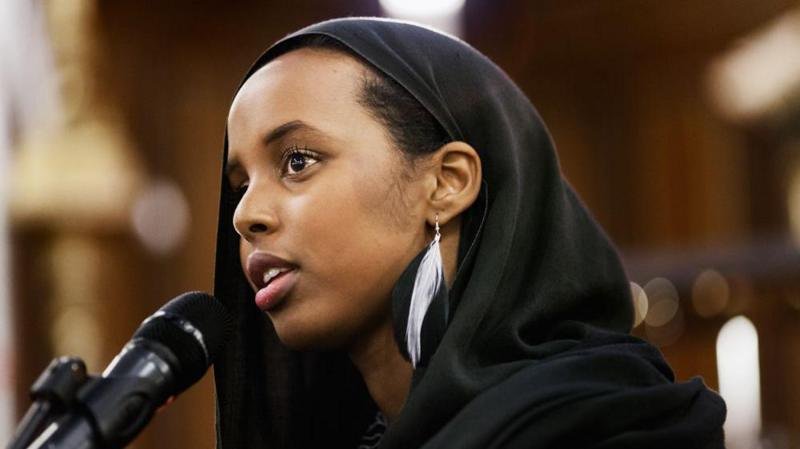
Osman’s background and activism provide context to the controversy surrounding her. A former chemistry teacher turned journalist and activist, Osman has been a vocal proponent for social justice and equality. Her work has spanned various media outlets, including newspapers like Svenska Dagbladet and Expressen, where she has penned articles addressing issues of racism, Islamophobia, and far-right extremism.
Throughout her career, Osman has not shied away from contentious topics, often sparking debate and challenging societal norms. Her advocacy for Muslim women’s rights, including the normalization of the hijab in Sweden, and her vocal criticism of white privilege and systemic racism have earned both praise and criticism from different quarters.
The Impact of Controversy
The allegations against Osman and her subsequent response have reverberated throughout Swedish society, fueling discussions about journalistic ethics, personal integrity, and the pervasiveness of disinformation. The controversy has highlighted the delicate balance between journalistic inquiry and personal relationships, raising questions about the responsibilities of journalists in conducting investigations.
Moreover, the episode underscores the broader challenges facing Sweden and other European countries grappling with the rise of far-right extremism and the dissemination of disinformation. As societal tensions mount and polarizations deepen, individuals like Osman find themselves navigating treacherous terrain, where their activism and advocacy are subject to intense scrutiny and criticism.
https://twitter.com/bilaaan1/status/1778558016561836365
Conclusion
The controversy surrounding Bilan Osman serves as a microcosm of the broader societal divisions and challenges facing Sweden and other European nations. As debates over racism, Islamophobia, and far-right extremism continue to roil public discourse, individuals like Osman play a crucial role in advocating for social justice and equality. However, the recent allegations against her underscore the complexities and pitfalls inherent in such advocacy, highlighting the need for nuance, transparency, and ethical conduct in navigating contentious issues.