
WARYATV ARCHIVE
Resilient Shadows: The Tale of Somaliland and Somalia


The late 1980s saw the streets of Hargeisa, Somaliland’s capital, drenched in an eerie silence, punctuated by the distant rumble of artillery. The old regime of Siyad Barre, Somalia’s iron-fisted ruler, had turned its wrath on Somaliland. This was a time of siege, terror, and unyielding spirit.
Hargeisa was once a bustling hub, known for its vibrant markets and the resonant calls to prayer that marked the rhythm of life. But as Barre’s forces descended, the city transformed into a labyrinth of fear. The Somali National Army, the second most powerful in Africa, aimed to crush the burgeoning resistance. Barre’s regime was ruthless, deploying tanks and heavy artillery against civilians, reducing homes to rubble and dreams to dust.
Amidst the chaos, the Somalilanders fought with an indomitable spirit. The fight was not just for survival but for identity, for the right to exist as a free and sovereign people. The Somaliland National Movement (SNM), born out of necessity and fueled by a collective rage, spearheaded the resistance. They were vastly outnumbered and outgunned, but their determination was their strongest weapon.
The Battle for Hargeisa was brutal. Civilians were caught in the crossfire, and the city, once known as the “Pearl of the Gulf of Aden,” was scarred deeply. The “Hargeisa Holocaust” saw tens of thousands killed and many more displaced. Families were torn apart, and the cries of the bereaved echoed through the ruins. Yet, even in these darkest hours, the resilience of the Somalilanders shone through.
Against all odds, the SNM managed to push back Barre’s forces. They used guerilla tactics, intimate knowledge of the terrain, and sheer willpower to outmaneuver and outlast the better-equipped Somali army. The victory was bittersweet. Hargeisa lay in ruins, but the spirit of Somaliland was unbroken.
In 1991, as Barre’s regime collapsed, Somaliland declared back its independence. What followed was a period of painstaking reconstruction. The people of Somaliland rebuilt their nation from scratch. There were no international aid packages, no recognition from the world, only their determination and resilience.
Over three decades, Somaliland transformed. Hargeisa rose from the ashes, becoming a symbol of resilience and hope. Schools, hospitals, and businesses were rebuilt. Governance structures were established, rooted in democratic principles. Somaliland became a “best-kept secret” in Africa, a beacon of peace and stability in a tumultuous region.
Meanwhile, Somalia descended into chaos. The fall of Barre’s regime left a power vacuum that various factions and warlords scrambled to fill. Piracy off the Somali coast became rampant, as did corruption and terrorism. Al-Shabaab, an Islamist militant group, took root, further destabilizing the country. Mogadishu, Somalia’s capital, became synonymous with danger and despair.
The contrast between Somaliland and Somalia could not be starker. Somaliland, unrecognized yet thriving, and Somalia, internationally acknowledged but failing. The mystery of Somaliland’s success lies in its people’s resilience, their ability to unite and rebuild despite the odds. It’s a tale of perseverance and quiet strength, a narrative often overshadowed by the turmoil in the south.
Yet, amidst this stark dichotomy, questions remain unanswered. How did a region so devastated manage to rise so spectacularly? What secret lies within the hearts of the Somalilanders that fueled their resurgence? And what does the future hold for these two divergent paths?
These mysteries linger, encouraging reflection and deeper exploration. The reader is left to ponder the hidden strengths that lie within communities, the power of unity and resilience, and the contrasting fates of nations born from the same soil.
Somaliland’s story is far from over. It’s a narrative that continues to evolve, filled with untold tales and hidden truths, waiting for those curious enough to delve deeper and discover the resilient shadows that shaped this remarkable land.
The Legacy of Resilience
As night falls over Hargeisa, the city lights up, a testament to its rebirth. The wounds of the past remain, but they are scars that tell a story of resilience and hope. In contrast, Mogadishu struggles under the weight of its past and the uncertainty of its future.
The tale of Somaliland and Somalia is a powerful reminder of the human spirit’s capacity to overcome. It is a story that beckons us to look beyond the surface, to explore the mysteries that lie beneath, and to find inspiration in the unlikeliest of places.
In the shadows of resilience, the legacy of Somaliland continues to grow, inviting the world to witness the strength of a people who refused to be defined by their suffering but instead chose to rise above it, crafting a future filled with promise and potential.

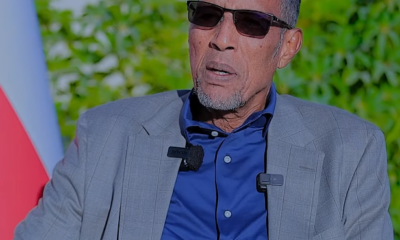

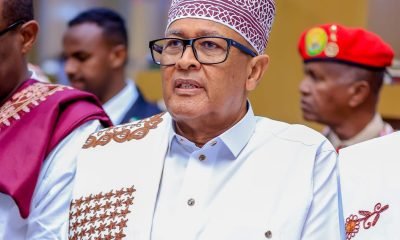



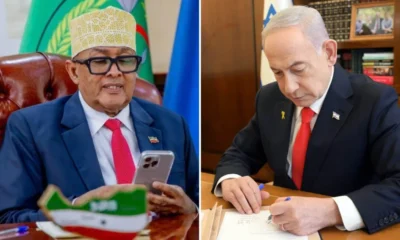



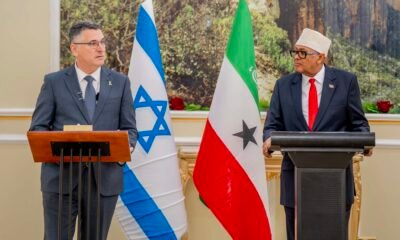


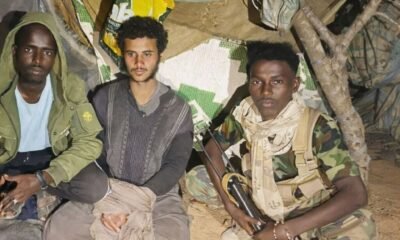

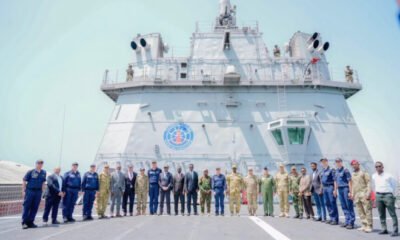




Somaliland is emerging as a beacon of potential, rich in untapped resources and poised for a transformative future. With its strategic location, stable governance, and a wealth of natural assets, this region is quickly becoming an attractive destination for foreign investors. As President Abdirahman Mohamed Abdullahi Irro leads the charge for Somaliland’s recognition on the global stage, the time is ripe for international investors, particularly from dynamic economies like USA, to engage with this promising territory.
Somaliland’s landscape is dotted with significant reserves of oil and various minerals, including gypsum, limestone, salt, and iron ore. The promise of these natural resources presents a unique opportunity to catalyze economic growth and job creation. By investing in sustainable extraction technologies, foreign investors can not only harness these resources but also contribute to the development of local economies, laying the groundwork for a prosperous future.
Situated along the Gulf of Aden, Somaliland enjoys a prime geographic advantage, serving as a natural hub for trade that connects Africa with the Middle East and beyond. This strategic position makes it an ideal location for logistics and commerce, further enhancing its appeal to potential investors. Coupled with a youthful population eager to adapt and innovate, Somaliland offers a workforce that is primed to meet the demands of various sectors, including technology and agriculture.
To effectively attract foreign investment, Somaliland must embrace the power of storytelling—crafting a narrative that resonates with prospective investors. This story should highlight the region’s vision for growth, showcasing local entrepreneurs who have thrived against all odds. By sharing these success stories, Somaliland can illustrate its resilience and potential, inviting investors to join in its journey.
The cultural richness of Somaliland is another key facet of this narrative. The warmth and hospitality of its people are a vital part of the experience, making the region an inviting place for businesses to establish roots and foster meaningful connections. As Somaliland strives for international recognition, it is crucial to underline the political stability and governance structures that have allowed it to maintain peace and security, making it a more attractive locale for investment.
To further bolster interest from global investors, Somaliland could benefit from the establishment of a dedicated investment promotion agency—a one-stop shop to provide tailored support and information about investment opportunities. This initiative could include the development of a robust digital presence through social media and targeted outreach, ensuring the narrative of Somaliland’s potential reaches audiences far and wide.
Hosting international investment forums presents another avenue for engagement, inviting business leaders from around the world, especially from tech sector, to explore opportunities firsthand. Networking events can facilitate connections that ignite collaborations and encourage dialogue about Somaliland’s investment potential.
In particular, the tech industry stands poised to thrive in Somaliland. Companies in fields like agritech, health tech, and fintech can find fertile ground for innovation and growth. By providing customized incentives, such as tax breaks and partnership models with local businesses, Somaliland can create an inviting atmosphere for investment.
A collaboration with international organizations can further lend credibility to Somaliland’s efforts. Partnerships with influential entities such as the World Bank or the African Development Bank can enhance visibility and provide a sense of security for potential investors, showcasing a commitment to sustainable practices and innovation.
At its core, the story of Somaliland is one of resilience and opportunity. As President Irro’s government embarks on this new chapter, global investors—especially those from UK, and EU—are invited to discover the vast resources and investment opportunities that await. This is more than just a financial decision; it is a chance to forge connections with a community eager for growth, innovation, and partnership.
As the world turns its gaze toward Somaliland, join in unlocking the full potential of this extraordinary region. Together, investors and Somaliland can build a promising future, establish a unique narrative of success, and elevate Somaliland on the global stage as a vibrant hub for investment and development. Now is the time to be part of this transformative journey.
From Military Genius to Political Powerhouse, Darawal’s Unyielding Journey
Discover the legend of Abdullahi Iman Darawal, Somaliland’s national hero and chairman of the Horseed Party, who stands as one of the most dangerous and revered figures in Africa.
Abdullahi Iman Darawal, chairman of Somaliland’s Horseed Party, has carved out a reputation as one of the most formidable and revered figures in the Horn of Africa. With a storied past as a high-ranking officer in the Somali government before its collapse in 1991, Darawal is both a national hero and a war-hardened warrior. His journey from the battlefields to the political arena is a testament to his unyielding spirit and unwavering commitment to his people.
The Making of a Military Legend

Darawal’s military career is nothing short of legendary. Trained in military science in both Russia and the United States, he emerged as a key figure in the Somali National Movement (SNM), playing a crucial role in liberating Somaliland. His strategic acumen and bravery on the battlefield earned him widespread respect and admiration, solidifying his status as a national hero.
Political Ascendancy
In the years following Somaliland’s struggle for independence, Darawal transitioned into politics, holding various high-profile positions, including Minister of National Defense. His tenure in government showcased his dedication to Somaliland’s sovereignty and security, further enhancing his reputation as a patriotic leader.
A Hero’s Betrayal

Despite his contributions, Darawal’s political ambitions have been met with resistance. As he prepared to run for the presidency, he faced unjust exclusion and was told to “stay at home.” This affront to his dignity and rights has not only angered him but has also rallied his supporters, who view him as a symbol of justice and resilience.
The Calm Before the Storm

Those who underestimate Darawal do so at their peril. Known for his calm demeanor, he is a man who acts decisively when provoked. A former colleague described him as one of the few individuals in the Horn of Africa with extensive military training from both Russian and American forces. This unique background makes him a potent force capable of influencing the region’s geopolitical landscape.
The Fear Factor

Darawal’s influence extends beyond his military and political achievements. His tribal heritage, from the Arab Sheikh Isaaq clan, is known for its warrior legacy. This tribal support amplifies his power, making him a figure feared by those who oppose him. His detractors, including figures like Hirsi Haji Ali of the Waddani party, are seen as corrupt opportunists who fail to recognize the true danger of sidelining such a formidable opponent.
A Nation at Crossroads
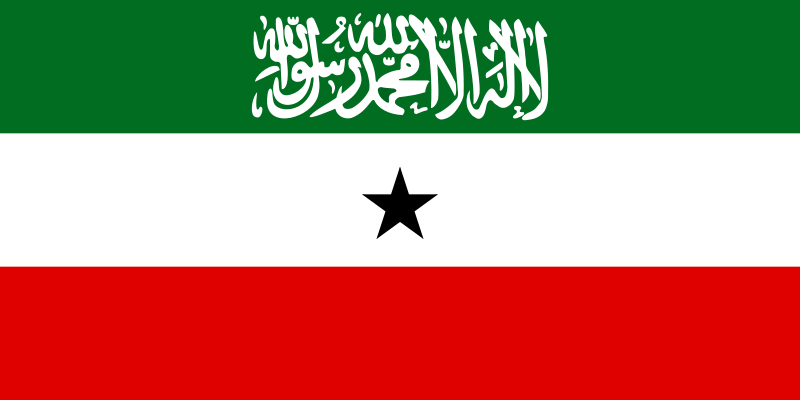
Somaliland stands at a critical juncture. The exclusion of Darawal from the upcoming elections on November 13, 2024, could have far-reaching consequences. His supporters warn of both visible and invisible wars if justice is not served. The stakes are high, not only for Somaliland but for the entire Horn of Africa.
Geopolitical Implications

The situation in Somaliland echoes broader geopolitical shifts in Africa. With Western powers like France and the USA reducing their influence in West Africa, countries like Senegal and Niger are experiencing significant changes. Russia’s increasing presence in these regions suggests a new direction in global power dynamics. Somalia, with its recent moves to sever ties with Western allies in favor of Eastern partnerships, mirrors this trend.
Expert Insights
Security analysts emphasize the risks of undermining Darawal. His knowledge and connections, particularly in underground intelligence networks in Russia and Washington, make him a uniquely dangerous figure. Experts suggest that Somaliland’s elite must engage with Darawal to avoid potential conflicts that could destabilize the region.
Conclusion: A Hero’s Legacy

Abdullahi Iman Darawal embodies the spirit of resilience and defiance. His journey from a military hero to a political leader reflects his unwavering dedication to his people. As Somaliland prepares for its future, the importance of recognizing and respecting Darawal’s contributions cannot be overstated. The nation’s leaders must navigate these turbulent times with wisdom, acknowledging that the legacy of a true hero can shape the destiny of a nation.
Final Thoughts:

Abdullahi Iman Darawal’s story is a reminder of the complex interplay between heroism and politics. His ability to inspire fear and admiration in equal measure positions him as a pivotal figure in Somaliland’s history.
The coming months will reveal whether his legacy will be one of continued struggle or a catalyst for profound change in the Horn of Africa.
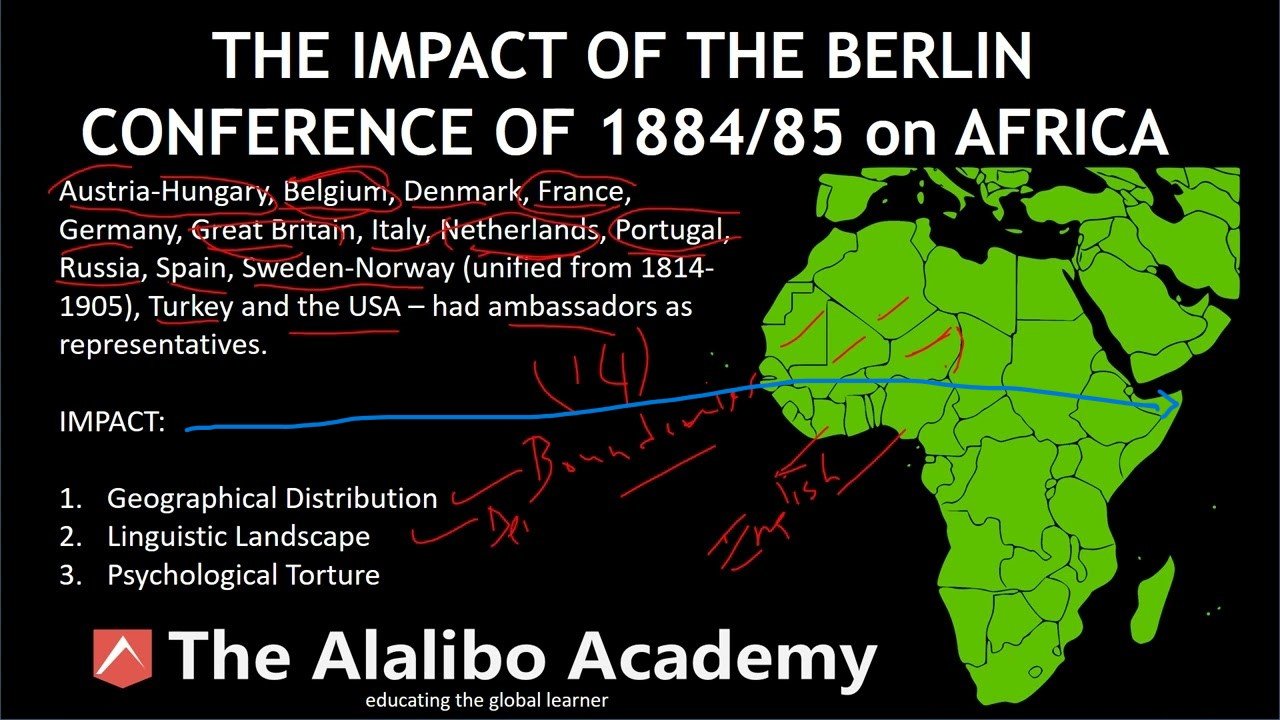
Discover the hidden battle against a mysterious light in Somaliland that has sparked international intrigue and a legacy of conflict. Unravel the story behind the fight for this enigmatic region.
By Kasim Abdulkadir:
In the rugged mountains of Sanaag, where the air hums with ancient secrets, lies Somaliland—a land shrouded in mystery and whispered legends. For centuries, this region has been the focal point of a clandestine struggle between forces both seen and unseen, driven by an enigmatic light that many believe holds untold power.
The Genesis of a Secret War
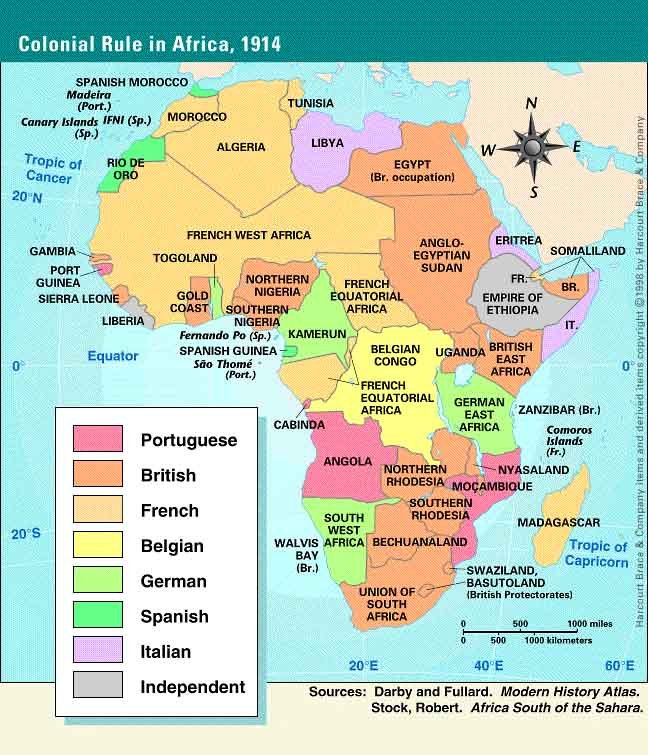
It was in 1884, amid the chaotic fervor of the Berlin Conference, that the seeds of this conflict were sown. European powers gathered to carve up the African continent, but beneath the diplomatic veneer, darker agendas were at play. A black map, stark with two glaring white areas, was discreetly circulated among the elite. These regions were Somaliland and Shaam in the Middle East—zones marked by a mysterious light that Lucifer himself, the great fallen angel, declared a threat to his sinister designs.
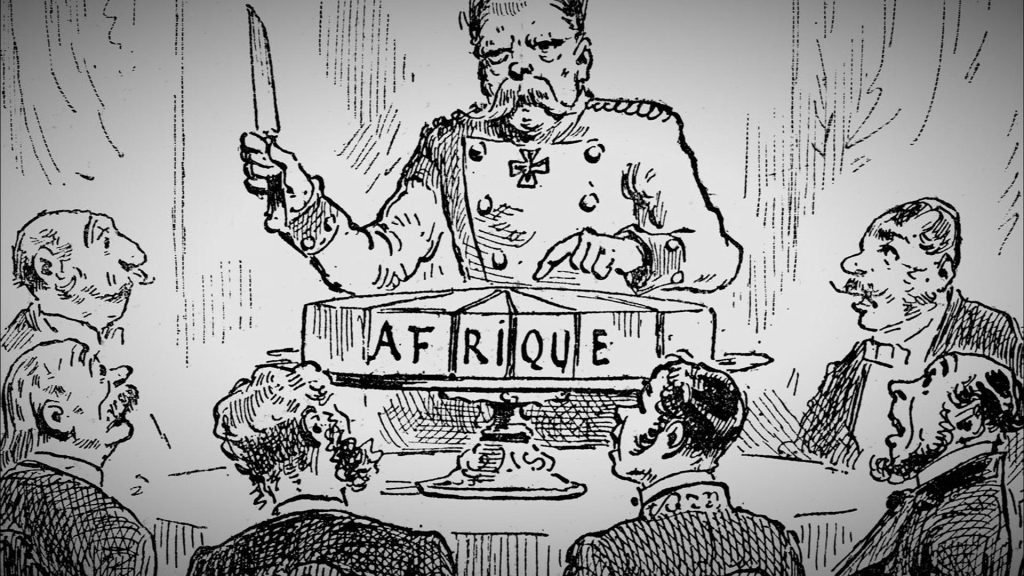
Lucifer, seated in the shadows of that fateful meeting, whispered to his followers. “These lights in Somaliland and Shaam,” he warned, “must be extinguished. They are the beacons of hope and resistance against our dominion. Steal their minds, corrupt their bodies, and sow endless discord.”
The Unseen Battles
Decades passed, and the struggle for Somaliland’s light continued to rage, often unseen by the world. The great powers—Britain, France, Germany—each took their turn, manipulating conflicts and fostering divisions. Yet, despite their efforts, Somaliland stood resilient, its light unwavering.
Modern efforts saw new tactics. The shadowy forces behind global powers instigated wars in Lasanod, hoping to draw in international peacekeepers and destabilize the region from within. The goal? To change the very fabric of Somaliland, starting with its symbol—the flag that carried the light. “Convince them,” they schemed, “that recognition will come with changing the text and color of their flag. Anything to dim that light.”
The Dark Plans Unveiled
From the halls of power to the streets of Hargeisa and Burco, the conspiracy spread. Khat, a local drug, was laced with toxic chemicals, its consumption encouraged to poison the minds and bodies of Somaliland’s people. Women were particularly targeted, told that khat would prevent childbirth, aiming to cripple the nation’s future.
Meanwhile, Somalis imprisoned abroad were slated for a dubious return, a plan set for the middle of 2025, aiming to introduce chaos. Free alcohol and hashish for those sickened by tainted khat became the norm, another tool to erode the society from within.
The Battle for Souls
Religious scholars were not spared. They were lavishly bribed, distracted with wealth and divided against one another, ensuring perpetual conflict. The Qur’an, a source of solace and guidance, was twisted into a tool of division, with teachers paid to mislead the youth.
The Unyielding Light
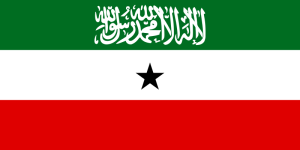
Yet, despite these relentless efforts, the light of Somaliland persists. It is a testament to the indomitable spirit of its people—a beacon that refuses to be dimmed. As new generations rise, aware of the dark forces at play, they continue to resist, guarding their heritage and the mysterious light that defines their land.
Stay tuned for the next installment of this saga, where the intricate web of deception deepens and the fight for the soul of Somaliland takes an even more perilous turn. Will the light endure, or will the darkness finally prevail? The story is far from over.

In the annals of Somaliland’s political landscape, a tale of intrigue and manipulation unfolds, casting shadows upon the dignity of the Arap tribe. At the heart of this narrative lies the clandestine maneuvers of Saleebaan Maxamuud Aadan, the head of the Guurti, and Hirsi Haaji Ali, a towering figure in Somaliland’s corridors of power.
The year was 2014, a pivotal moment as Somaliland prepared to elect its National Commission. This esteemed body, entrusted with overseeing critical national affairs, was to comprise seven members, including representatives from the Arap tribe. However, what transpired revealed a stark departure from established norms, plunging the Arap tribe into a web of deceit and betrayal.

Saleebaan Maxamuud Aadan
At the helm of the Guurti, Saleebaan wielded considerable influence, while Hirsi’s sway extended far and wide as the former Minister of Presidential Affairs. Together, they orchestrated a clandestine plot to manipulate the selection process, ensnaring the Arap tribe in their machinations.
Saleebaan, emboldened by his position, usurped the authority traditionally held by the Arap Sultan, demanding that candidates submit their CVs directly to him. This flagrant disregard for established protocol left the Arap tribe bewildered and vulnerable, as they unwittingly complied with Saleebaan’s dictates.
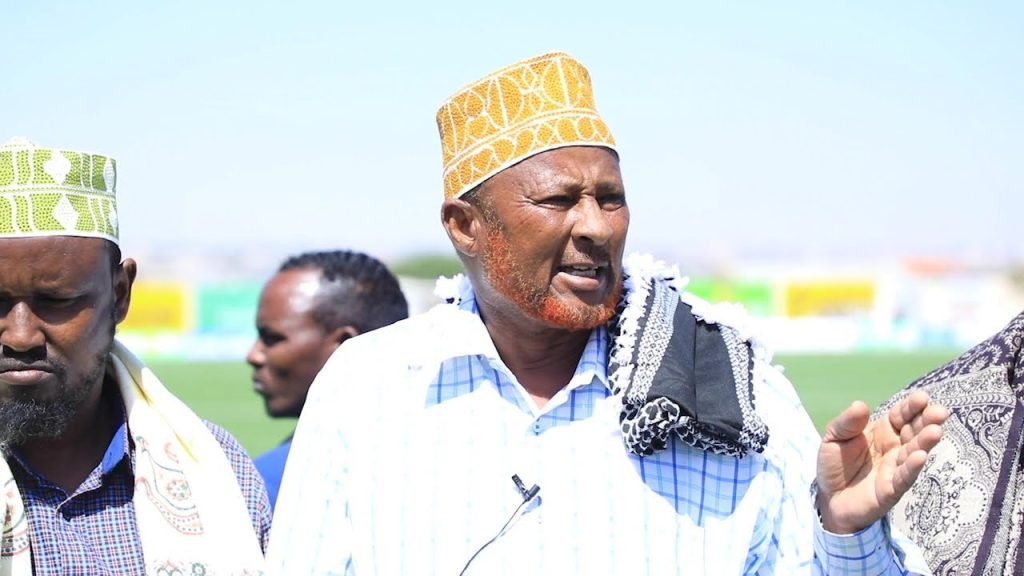
Suldaan Barre Xaaji Xuseen Caraale
Behind closed doors, Hirsi and Saleebaan conspired to install their chosen candidate within the Somaliland National Commission, laying the groundwork for their vested interests to flourish. As the Arap tribe grappled with fatigue and confusion, Hirsi’s maneuverings bore fruit, propelling Abdulkadir Iiman Warsame into a position of power.

Abdulkadir Iiman Warsame
However, fate had other plans in store. Hirsi’s political allegiances shifted, leaving his erstwhile protégé vulnerable to the vicissitudes of political fortune. Abdulkadir found himself caught in the crossfire of political intrigue, a pawn in the game of power played by his erstwhile benefactors.
This saga of treachery and deceit serves as a sobering reminder of the perils inherent in unchecked political ambition. Saleebaan and Hirsi, once allies in their quest for dominance, inadvertently sowed the seeds of their own downfall. As the Arap tribe grappled with the repercussions of their machinations, their resolve to resist further humiliation only grew stronger.
The echoes of this tale reverberate through the corridors of power, a cautionary tale for those who dare to wield influence without accountability. As we delve deeper into the annals of Somaliland’s political history, we uncover a labyrinth of intrigue, where loyalty is fleeting, and alliances are forged and broken with impunity.
In our next installment, we unravel the designs of the Interior Minister, as he plots the further humiliation of the Arap tribe, relegating them to the sidelines in favor of his own tribe.
Join us as we shine a light on the dark underbelly of Somaliland’s political arena, and stand in solidarity against the humiliation of the Arap tribe.

How the UAE Became the Frontline of a War It Tried to Avoid

The Hormuz Paradox: Globalization’s Artery as its Executioner

Oil Shock Deepens as Iran War Disrupts Global Supply


-

 TECH3 weeks ago
China Bets on an AI-Powered Military Future
-
 US-Israel war on Iran2 weeks ago
Waves of Mystery Drones Breach U.S. Nuclear Base Airspace
-
 Terrorism7 days ago
Egypt Uncovers Alleged Plan to Down Presidential Plane
-
 US-Israel war on Iran2 weeks ago
Saudi Arabia Warns of Military Action After Iranian Missile Strike
-
 US-Israel war on Iran2 weeks ago
Former CIA Chief Blames White House for Escalating Iran War Crisis
-
 Top stories1 week ago
Saudi Arabia Deepens Defense Ties with Ukraine
-
 US-Israel war on Iran2 weeks ago
Iran’s Guard Leadership Hit Hard in Escalating Strikes
-
 Analysis2 weeks ago
Inside the IRGC’s Quiet Rebuild of Hezbollah